I am writing the Six Tudor Queens series, an eight‑book project that gives Catherine of Aragon and Anne Boleyn more than one novel because their lives cannot be told in a single volume.
I have published three books, and I am currently working on the fourth, focused on Catherine Howard. I have been Tudor‑obsessed all my life and story‑obsessed too. I approach each novel with a distinct angle and rely on up‑to‑date academic research and recent theses to keep the work accurate, fresh and grounded in the latest scholarship.
Infidel, The Daughters of Aragon follows Catherine of Aragon’s childhood, with more of her story still to come. For Now, I Die explores the fall of Anne Boleyn, and Out of the Ashes tells the story of Jane Seymour. Each novel stands alone, so readers can begin wherever they like.
My books are available on Kindle Unlimited and are 99c on Kindle. They are also available in paperback. They are narrated on Audible by the award-winning British actress Judy Clifton.
Alongside my own writing, I also enjoy being part of the wider historical fiction community.

I am a host for The Coffee Pot Book Club and a professional reader for Net Gallery, where I feature the latest historical novels that interest me. I do this purely for pleasure, and I receive no payment or profit for hosting or reviewing a book.
Please make yourself at home and have a look around.

My writing process:
I’ve been asked about my writing process, and I find that I have to immerse myself completely in the lives of my characters. I do this by reading and listening to audiobook biographies every night before I fall asleep, letting their voices and experiences settle into my mind until I feel I understand them.
I am writing Scandal, the Catherine Howard story, and at last I feel I understand her. She is not a stupid girl, as she is so often portrayed. She is a young woman caught in a snare that was set long before she came to the royal court. Catherine cannot escape, and the trap becomes tighter by the moment because of the people around her with their own agendas and her own naivety.
I have always been a writer. As a little girl, I filled my exercise books with stories, tales of pirates and Victorian dramas. My first full novel was written when I was about ten. It was dystopian, and I was very proud of it. It was utter rubbish, of course, but we are all rubbish at the start. In my teens, I wrote a lot of love stories.
In my twenties, I tried to write the series I am working on now, but I simply didn’t have the skill or the knowledge yet. Still, the idea stayed with me. It sat quietly in the back of my mind for years, waiting until I was ready to write it properly.
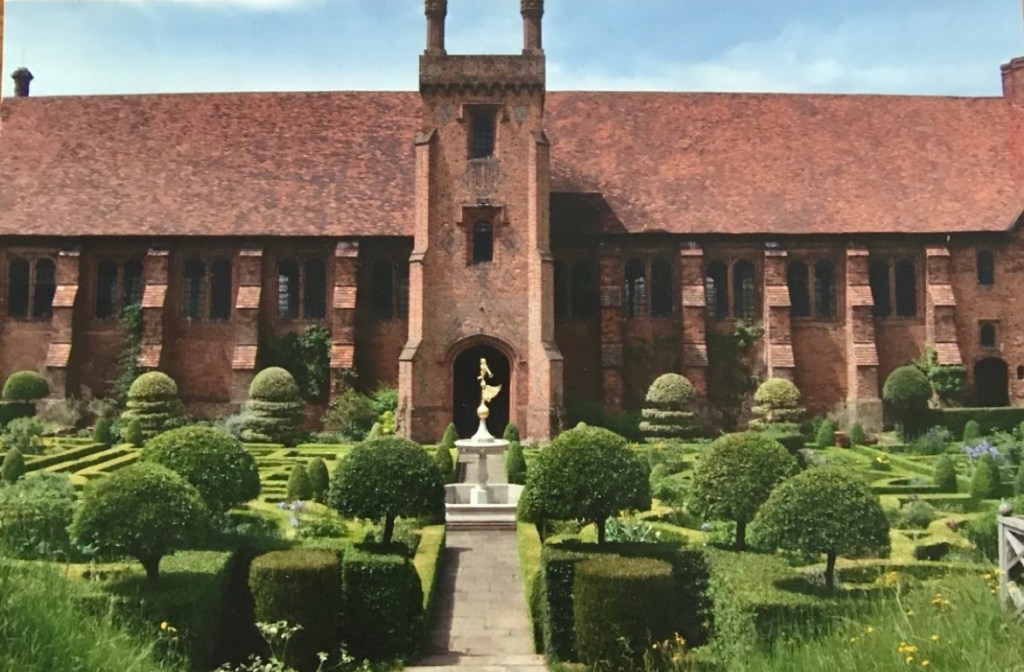
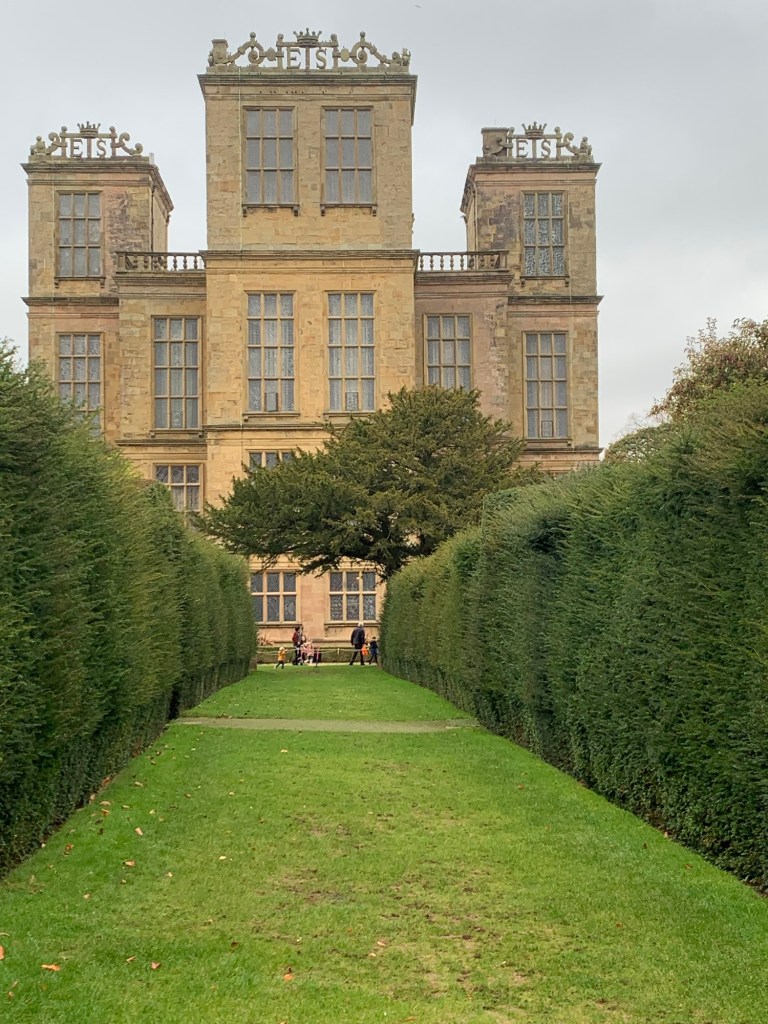
I’ve spent a lifetime in writing groups, courses, and books about the craft. I can’t say the groups or courses helped me, even the distance learning ones. What has helped is my obsession with the Tudor era, visiting the places where my characters lived, and reading well‑crafted books.
For me, the story must always come first. Knowledge and research matter, but they should serve the story, because no one wants characters sitting in a pub talking about their swords in elaborate detail. I like to lead the reader gently into the story, then grab them by the neck and pull them deeper. If I change the history, I always tell the reader why I did it and what, as far as we know, happened.
I began seriously writing back when National Novel Writing Month was everywhere, and everyone seemed to be trying to write a 50,000‑word draft in thirty days every November. I printed off NaNoWriMo’s words‑per‑day chart and stuck it in my diary. That book was about a cleaner who solved mysteries. I haven’t picked up the manuscript in years, and maybe I will when I’ve finished my historical fiction series, which began as an idea for six books and has quietly turned into a plan for eight. Don’t ask.
I completed NaNoWriMo twice and learned that I could finish a short novel, but the revisions were something else entirely. I assumed it would be a doddle, and I was completely wrong.
These days, I revise and edit each chapter before moving on to the next because I cannot face such a huge block of polishing and editing at the end. I always try to make it easier for myself later. That at least is the plan, but revision is so vital. I always end up revising at the very end, despite my efforts, because the final edit cannot be entirely avoided; it’s often a case of making my finished work tighter and checking for historical mistakes and typos.
It’s worth keeping in mind that writing and publishing a book is not an easy task. I have learned that just because it feels like a struggle, it doesn’t mean you are doing it badly. It only means you are doing it. And that is the most important part.
Read the kind of work you want to write, and read something more literary alongside it. As you go, pay attention to what you enjoy and what you don’t. Notice how the writer moves the story on, how they shape the narrative, how they bring you into a character’s mind, how they handle emotion and setting. Read with intent and learn from it.