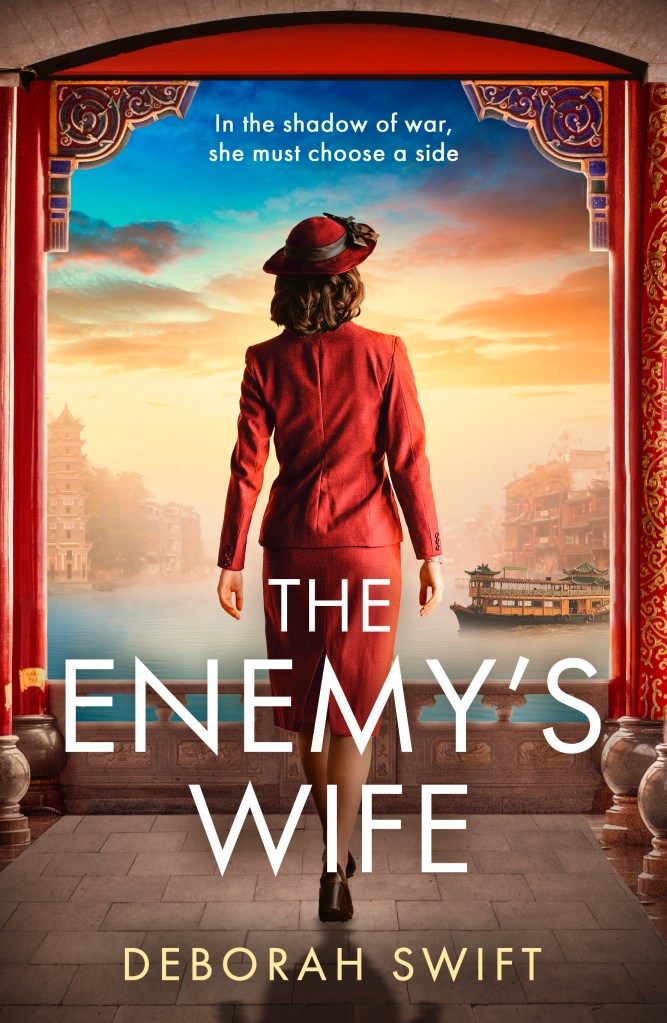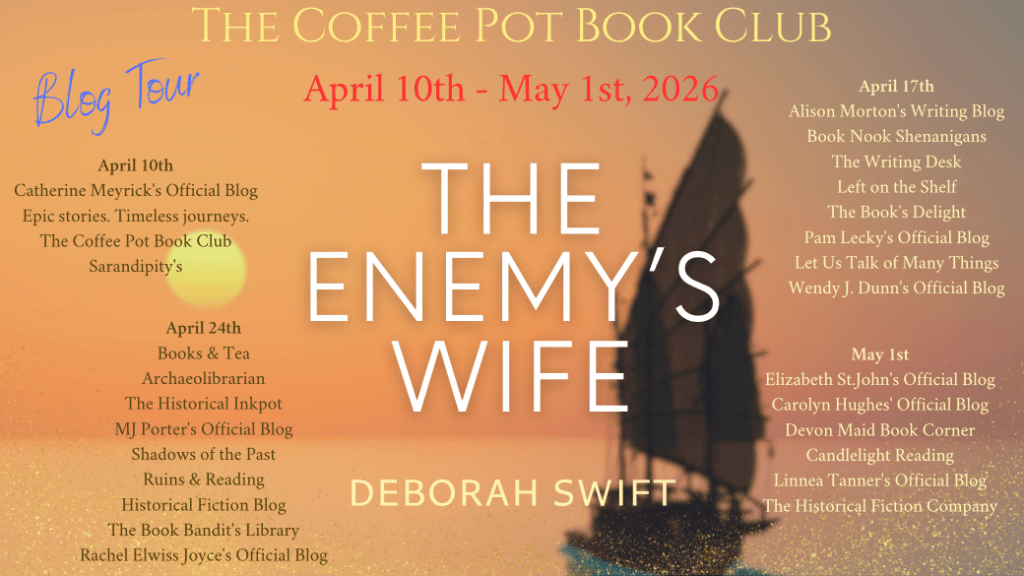
The Enemy’s Wife – An Interview with Deborah Swift

Universal Buy Link: mybook.to/EnemysWife

I’m pleased to host Deborah Swift on the Historical Ink Pot today for a discussion about her new novel, The Enemy’s Wife.

‘A fast-paced, beautifully written, and moving story. Refreshing to read a book set in a different theatre of war. Wartime Shanghai jumped off the page’ CLARE FLYNN

 A poignant story of the impossible choices we make in the shadow of war, for fans of Daisy Wood and Marius Gabriel.

 1941. When Zofia’s beloved husband Haru is conscripted into the Imperial Japanese Army, she is left to navigate Japanese-occupied Shanghai alone.

 Far from home and surrounded by a country at war, Zofia finds unexpected comfort in a bond with Hilly, a spirited young refugee escaping Nazi-occupied Austria.

 As violence tightens its grip on the city, they seek shelter with Theo, Zofia’s American employer. But with every passing day, the horrors of war and Haru’s absence begin to reshape Zofia’s world – and her heart.

 Can she still love someone who has become the enemy?

Readers love The Enemy’s Wife:

‘A gorgeous novel that will truly pull at your heartstrings‘ CARLY SCHABOWSKI

 ‘I loved The Enemy’s Wife – a gripping, fast-paced and evocative story about the Japanese occupation of Shanghai during WW2 – and really rooted for the brave and selfless central character, Zofia. Highly recommended’ ANN BENNETT

 ‘Such an emotional and moving read, grounded in immaculate research that never overshadows the heart of the story’ SUZANNE FORTIN

Welcome Deborah, tell me what first drew you to this particular historical moment and the real events that underpin the story?

In my previous book, Jewish refugees who arrived from Eastern Europe, ended up in Japan. But what happened to them then?  The research told me that they were moved again after the events of Pearl Harbor, to Shanghai. The more I read about wartime Shanghai, the more interesting it got – it was such a melting pot of cultures and loyalties.

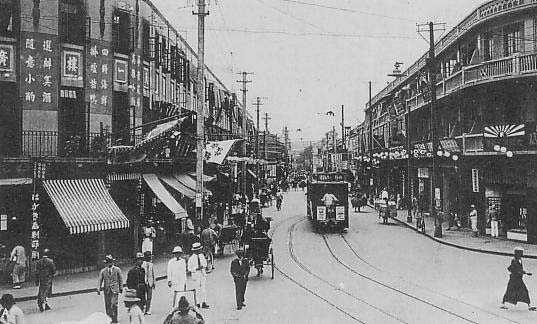
I remembered wartime Shanghai from the film, Empire of the Sun, and decided to set the book in the International Settlement which featured in the film. This was the Western city within a city, an island dominated by the British and American businessmen and ruled by an Anglo-American council. Shanghai was known as the ‘Pearl of the Orient’ for its wealth, its bustling port, its Hollywood-esque film industry, and luxurious lifestyle. South of the settlement was the French Concession, where many wealthy ‘Shanghailanders’ lived in palatial houses waited on hand and foot by the much poorer Chinese population. In the book, one of my characters, Theo, lives here.

Surrounding the settlement was the Chinese nation controlled by the Chinese central government in Nanking, but there were many anti-government rebels too, and a lot of corruption. I wanted to tell the story of what happened when China and the settlement was invaded by the Japanese. Zofia married her Japanese husband before the war, and suddenly finds she has become the wife of the enemy.

Your books involve complex cultural and political settings. How do you approach research to ensure authenticity without overwhelming the narrative?

The story is king, and all the research I do is to support the story. It is never just ‘background.’  For example, I needed a hub where poor people and rebels against the government in Shanghai might meet and exchange news, so I initially thought of a doctor’s waiting room. However, doctors had been culled by the communist regime, so it had to be a pharmacy. This led me to research and write scenes set in a Chinese traditional pharmacy – something I would never have thought of doing without the research. But the scenes were driven by the plot needing some place people could meet to exchange views on politics and the changing regime. I researched what that might be, and ended up with a pharmacy, which was in fact much more interesting as a setting. 

For broader political background, I read widely around the subject, and hope that the reading gives me ‘authority’ in the voice, even if all the facts I’ve discovered don’t end up on the page.

War and displacement put enormous pressure on relationships. What interests you most about writing characters whose loyalties are tested by circumstance?

I suppose it is that they could be us. I am of a culture and a generation that has not had to deal with war, and yet by writing the books I am constantly asking ‘in that situation, what would I do?’ Perhaps I am practising for the event – I hope not. 

People who have different ideologies can think they have nothing in common until those ideologies are tested – and the reverse. You can think someone is not like you at all, until you stand in their shoes. Or you can think you are ‘on the same page’ until they do something you would never conceive of doing. Stress affects everyone in different ways, and if war is one thing, it is stress. These situations bring about enormous amounts of tension and that’s exactly what you need to keep a novel rolling along, and to keep the reader interested.

What was the best money you ever spent as a writer?

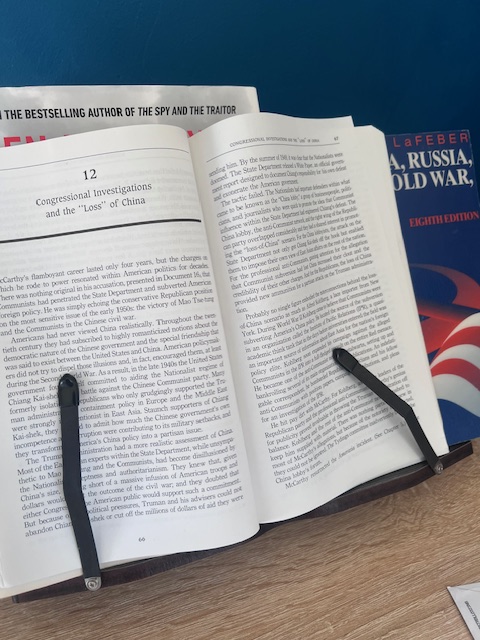
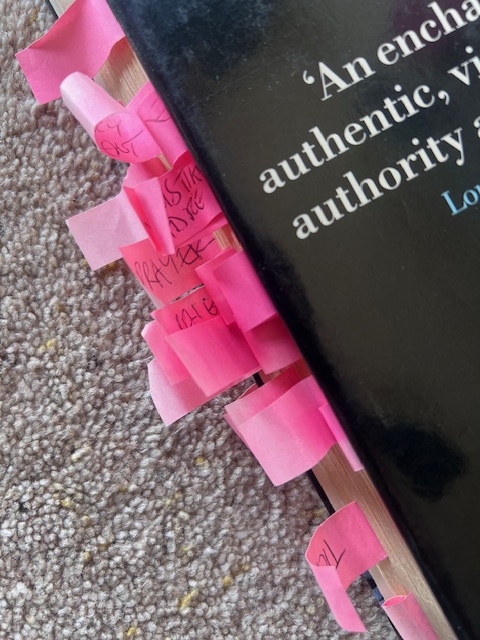
There are several things I can’t do without. First up – my bookstand! This allows me to prop open my research books on my desk as I’m typing. It really is one of the most useful things for a historical novelist, and costs peanuts. Second, the index tab stickers that you use to mark pages in books. Again, cost is negligeable, but I use them all the time to mark bits of research I need to keep. Third – a week away with writer friends. This is definitely the most expensive – but invaluable for keeping up with what’s happening in other parts of the publishing world, sharing experiences good and bad, and getting moral support from other writers who understand. Before going back to your lonely desk!

Looking ahead, what do you feel your next project might be?

I’m working on a sequel in which my two main characters, Theo and Zofia, think they are safe and happy in America. But even within a safe society, tensions can arise – particularly if you have come through Russia and China, during the Red Scare.

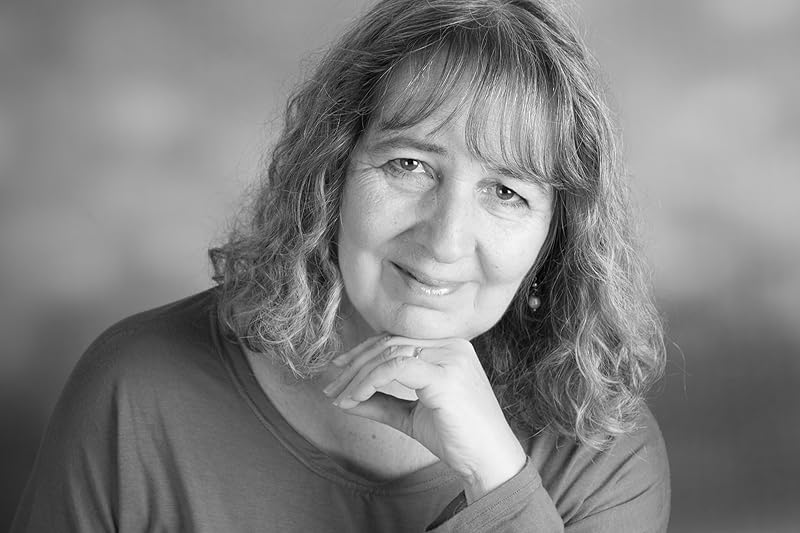
Deborah Swift

Author Bio:

Deborah used to be a costume designer for the BBC, before becoming a writer. Now she lives in an old English school house in a village full of 17th Century houses, near the glorious Lake District. Deborah has an award-winning historical fiction blog at her website www.deborahswift.com.

 Deborah loves to write about how extraordinary events in history have transformed the lives of ordinary people, and how the events of the past can live on in her books and still resonate today.

 Her WW2 novel Past Encounters was a BookViral Award winner, and The Poison Keeper was a winner of the Wishing Shelf Book of the Decade.

Author Links:

 Website: www.deborahswift.com

Amazon Author Page: http://author.to/DeborahSwift

Twitter / X: https://twitter.com/swiftstory

Facebook: https://www.facebook.com/authordeborahswift/

Pinterest: https://www.pinterest.co.uk/deborahswift1/

Bookbub: https://www.bookbub.com/authors/deborah-swift

TikTok: http://www.tiktok.com/@deborahswiftauthor

Trigger warnings: Murder and violence in keeping with the era.

Buy Links:

 Universal Buy Link: mybook.to/EnemysWife

 Amazon UK:  https://www.amazon.co.uk/Enemys-Wife-brand-new-historical-Survivors-ebook/dp/B0FB6HV6R6

 Amazon US: https://www.amazon.com/Enemys-Wife-brand-new-historical-Survivors-ebook/dp/B0FB6HV6R6

 Amazon CA: https://www.amazon.ca/Enemys-Wife-brand-new-historical-Survivors-ebook/dp/B0FB6HV6R6

 Amazon AU:  https://www.amazon.com.au/Enemys-Wife-brand-new-historical-Survivors-ebook/dp/B0FB6HV6R6

 Kobo: https://www.kobo.com/ww/en/ebook/the-enemy-s-wife

 Audio: https://www.audible.co.uk/pd/The-Enemys-Wife-Book-2-Audiobook/B0FWS1TN94

oOo

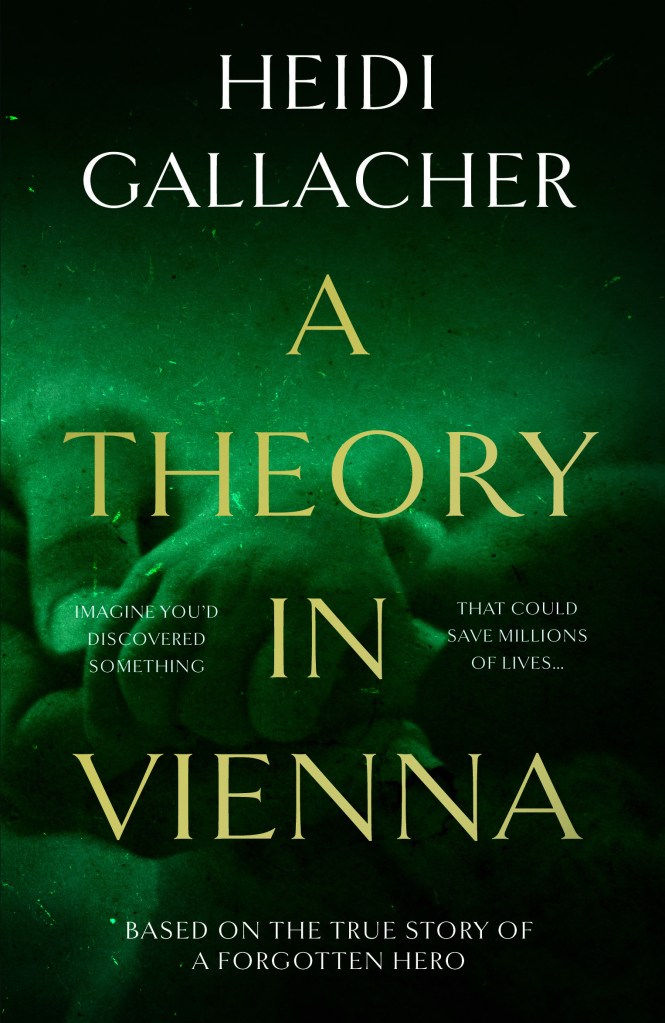
An Interview with Heidi Gallacher: A Theory In Vienna

Universal Buy Link: https://books2read.com/u/47aKa7

 Imagine you’d discovered something. Something that could save hundreds of thousands of lives. But they wouldn’t let you tell anyone. Wouldn’t it drive you mad?

 Young Hungarian doctor Ignaz Semmelweis uncovers the real reason thousands of young women are dying after childbirth. Yet, in mid-19th-century Europe, his simple methods are ridiculed. Semmelweis faces the battle of his life to convince others that the cause is simple…

Based on the true story of a forgotten hero, A Theory in Vienna brings the remarkable story of this man to life.

‘I bring to light a truth, which was unknown for many centuries with direful results for the human race.’ – Ignaz Philipp Semmelweis.


Tell us about your novel:

 The novel tells the story of Ignaz Semmelweis, a 19th-century doctor whose simple, lifesaving discovery was ignored in his own lifetime. My interest was piqued when I came across him during my research for a previous historical novel.

 So, set against the emergence of modern medicine, A Theory in Vienna follows a man who proves something undeniable, yet who lacks the language, authority and cultural awareness needed to be believed. At its heart, the book isn’t just about medical history; it’s about what happens when the truth arrives too early. It explores obsession, resistance, and the quiet loneliness of being right in a world that isn’t ready to listen. Semmelweis’s story is tragic, but it’s also urgently human – a reminder that progress often depends as much on humility and courage as it does on evidence.

 Was there a part of Semmelweis’s struggle that resonated with you on a personal level? Did that connection change the way you wrote about him?

 Yes – what resonated most with me was the experience of not being heard, even when the evidence is clear. It’s probably happened to each one of us, at some time of our lives. Semmelweis’s struggle isn’t only about science; it’s about communication, timing, and the pain of watching something urgent fail to land. That connection shaped the way I wrote about him. I became less interested in presenting him as a flawless hero and more focused on his inner world – his frustration, his rigidity, and the ways his certainty both sustained and damaged him.

Semmelweis is often portrayed as a tragic figure. How did you approach writing a man whose brilliance and frustration shaped both his legacy and his downfall?

 I tried to resist the temptation to turn Semmelweis into either a martyr or a warning. His tragedy lies in the fact that his brilliance and his frustration were inseparable; the same intensity that allowed him to see what others missed also made it difficult for him to persuade them. He isn’t undone by ignorance alone, but by the way repeated resistance hardens him and isolates him. His discovery endures, but the human price he paid gives the story its emotional weight.

 Semmelweis fought for a truth no one wanted to hear. Have you ever had a moment in life where you’ve had to hold your ground in the face of doubt or resistance?

 Yes – though on a far smaller scale. What I recognised in Semmelweis was the quiet determination it takes to stay with an idea when external validation doesn’t arrive. There were moments while writing this book when I had to trust the story despite uncertainty and resist the urge to soften it to make it more palatable.

Three centuries passed from the first epidemic of childbed fever until the early 1900s. More lives were lost across the world from this fever than lives were lost in all of the wars during that time.

 If you could sit with Semmelweis for five minutes, as a woman and a writer, what would you want to ask him or tell him?

 I would want to tell him that the women he fought for are no longer invisible – that their tragic lives are now understood as the true measure of his work. As a writer, I’d ask whether he ever sensed the cost of being right, and whether he would still have chosen that path knowing where it led.

 What do you hope modern readers will take away from A Theory in Vienna, especially in a world that still debates science, evidence and public health?

 I hope readers come away with a renewed sense of attentiveness – to small actions, to overlooked voices, and to the quiet ways care can save lives. Semmelweis’s insistence on something as simple as handwashing reminds us that progress often arrives through everyday acts of responsibility and compassion. More than anything, I hope the book leaves readers feeling that change is possible – and that listening, humility, and care still matter.    


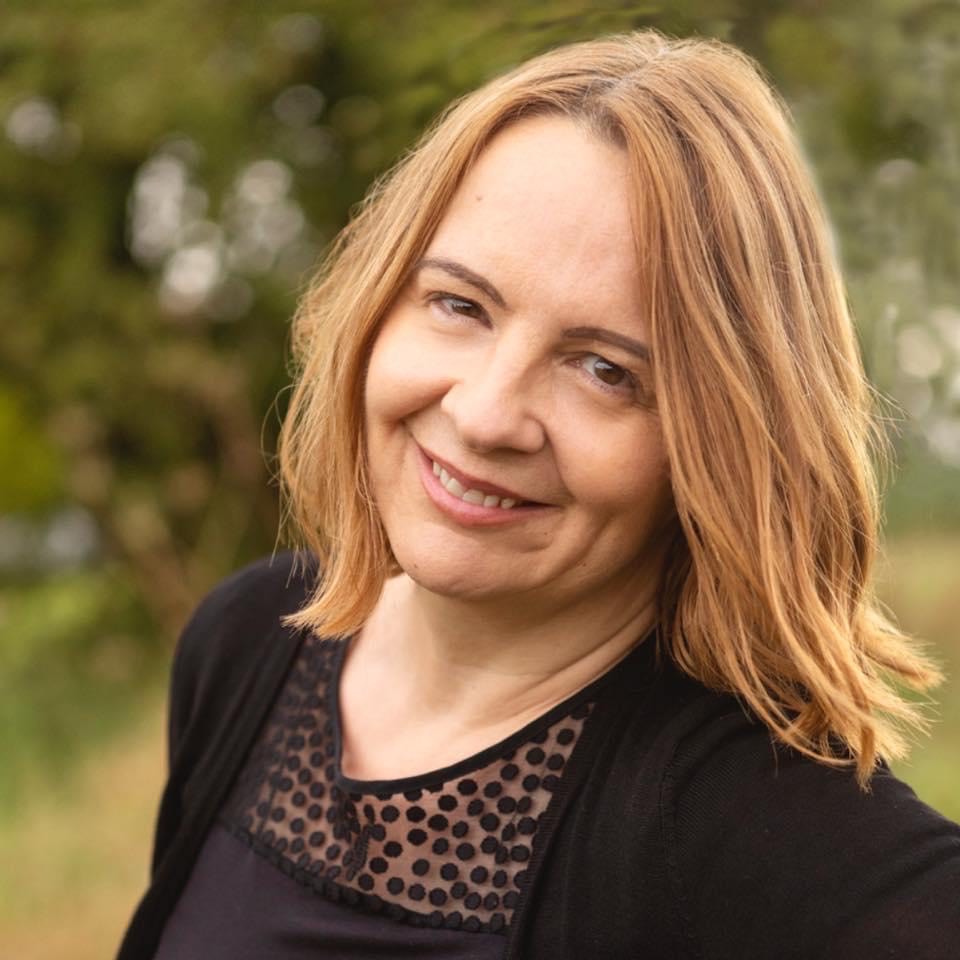
Heidi Gallacher 

Author Bio:

Heidi was born in London in the Sixties. She grew up in South Wales, UK and moved to Paris as a young adult where she taught English for two years. She currently lives in Switzerland and recently completed an MA in Creative Writing.

 Her first short story was published in Prima magazine (UK) in 2018. Heidi now writes historical fiction. Her first novel, Rebecca’s Choice is set in Tredelerch – an old house in Wales that belonged to her family generations ago. This novel won an award from The Coffee Pot Book Club in 2020, Debut Novel Bronze Medal.

 Her second novel, A Theory in Vienna, is set in 19th century Vienna and Budapest. It tells the incredible story of unsung hero Ignaz Semmelweis, whose life-saving discovery was ridiculed at the time.

 Heidi enjoys travelling (the further North the better!), singing and writing songs, and spending time reading and writing at her Swiss chalet where the views are amazing.  

 Author Links:

 Author Page on Publisher’s Website: https://bookguild.co.uk/our-authors/heidi-gallacher

Twitter / X: https://x.com/heidigallacher

Facebook:  https://www.facebook.com/Deejotix

Instagram:  https://www.instagram.com/gallacherauthor

Threads: https://www.threads.com/@gallacherauthor

Pinterest: https://pin.it/6KRlgRXOb

Amazon Author Page: https://www.amazon.co.uk/stores/Heidi-Gallacher/author/B08192R91P

Goodreads:  https://www.goodreads.com/user/show/86827681

Buy Links:

Universal Buy Link: https://books2read.com/u/47aKa7

The Book Guild Buy Link: https://bookguild.co.uk/bookshop/historical/a-theory-in-vienna  

oOo

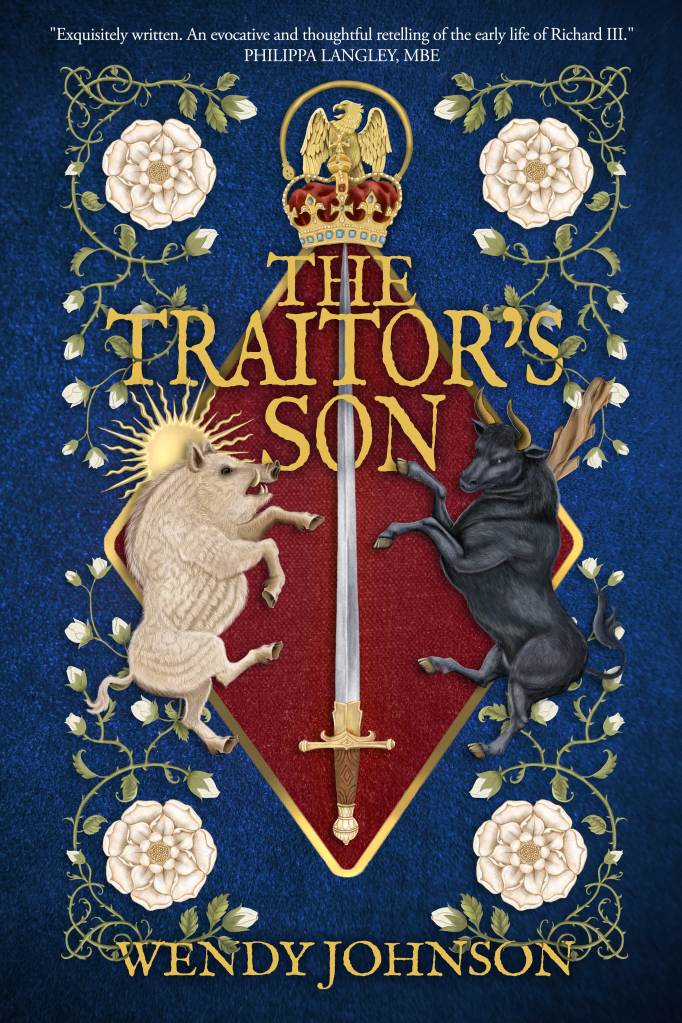
Guest Post with Author Wendy Johnson 

Universal Buy Link: https://books2read.com/u/mdJqL5

Tell us about your latest book: 

‘The Traitor’s Son’ is my debut novel, and the first in a proposed trilogy reimagining the life of Richard III. This first instalment covers Richard’s ten formative years between 1461 and 1471 and tells of how a grieving, fatherless boy grows into a courageous warrior of eighteen. It is a story of inner conflict, of love, loyalty, sacrifice, and treachery within the House of York. It culminates in a heart-wrenching dilemma, when Richard finds himself forced to choose between Edward, his blood brother and king, and Richard Neville, earl of Warwick, the man he has come to look upon as a second father. 

What is your preferred writing routine? 

I try to write every day, on average for around two hours. My habit is to continually edit my work as I go, so that only when I’m happy with what I’ve written do I carry on with the next scene. This can make for slow progress, but in my experience, it makes the final edit much easier, because most of the hard work has already been done. I enjoy listening to music as I write: sometimes I’ll find authentic medieval music on YouTube, as this helps to set the scene, but mostly I listen to the Wolf Hall soundtrack by composer Debbie Wiseman. Of course, Wolf Hall is set at a later date, but the music is very stirring, and I find it helps galvanise my writing. I’ve recently discovered the soundtrack for The Lord of the Rings, too, and find that really emotive. 

What advice do you have for new writers? 

Two things in particular really helped me improve as a writer. The first was advancing my knowledge of how to write — the Writers and Artists Guide to How to Write by Harry Bingham was invaluable. It helped me hone the craft, teaching me such a lot and opening my eyes as to what was required of an aspiring author. The second thing was to constantly read the novels of award winning authors and try to learn from them. Both of these things helped me no end, and if new writers are serious about their work, I would recommend trying something similar. I think the third piece of advice I would give would be to never give up — it’s a hard road, but if you really want to write and are determined to succeed, then you will. Have faith in your work and just keep going! 

Tell us something unexpected you discovered during your research.

As someone who has been fascinated by the Wars of the Roses for most of my life, I was already very familiar with the history, so I wouldn’t say I was too surprised by anything thrown up by my research. However, while I was writing this first volume, concentrating on the childhood and youth of Richard III, something did occur to me which I decided to incorporate as the major theme of the novel. Richard’s father, the Duke of York, was slain in battle when Richard was only eight years old. 

We know from the contemporary record, and from the evidence of his later life, that Richard greatly venerated his father’s memory, and it’s clear he’d felt very close to him. It has often been suggested that this void in young Richard’s life was filled by his elder brother, Edward (later Edward IV), but this has never rung true to me. 

At the time of their father’s demise Edward himself was only eighteen years of age, and although Richard must have admired his brothe r’s military prowess and may even have considered him in heroic terms, I believe the ideal candidate for the role of father figure would have been his thirty – seven – year old cousin, Richard Neville, earl of Warwick. Edward assigned to Warwick the tutelage of his young brother, and Richard underwent his knightly training in the earl’s household. Warwick must undoubtedly have been an influence on the youth, and between the ages of twelve and sixteen, Richard must have surely sought the paternal guidance of his cousin, as well as the affection of a father figure. 

The more I thought about this, the more I felt I had to introduce the theme to the novel as I had begun to wonder how Richard must have felt when Warwick rebelled against the king. Should he pledge his allegiance to Edward, his blood brother as well as his king, or did he support Warwick, a man who had become a second father to him? Of course, we know from history that he supported his king, but was that an easy choice to make?

 In ‘The Traitor’s Son’, Ric hard sees both options as a betrayal, and this heart-wrenching dilemma forms the main thrust of the novel. 

What was the hardest scene you remember writing? 

By far, the hardest scene to write was that which described the battle of Barnet. For most of the other scenes in the book, I felt I had at least some point of reference, but a battle was something I found extremely difficult to imagine. The historical events were easy to research, but the emotions involved are something the vast majority of people will never have to face. At times, it almost felt as though I couldn’t bring myself to write it, but I knew I had to, as this forms the climax of the novel. I got there in the end, and I’m pleased with the scene, but I didn’t relish having to picture it in my mind’s eye. 

What are you planning to write next?

‘The Traitor’s Son’ is the first in a proposed trilogy, and I’m currently working on the sequel. The second volume will take Richard up to the age of thirty and will cover the events of 1471 through to the early weeks of 1483. The story will be a rollercoaster ride for my protagonist and will once again focus on the trials and tribulations of the three York brothers – what I like to call the ‘fraternal triangle.’ 

As with ‘The Traitor’s Son’, I want historical fact to be the backbone of the novel, and so, as well as having to place myself as far as is conceivably possible in Richard’s shoes, I also need to ensure the storyline is as accurate as it can be and that the characters ring true to their real-life counterparts. The trilogy will end with a final book covering Richard’s all too brief reign, and there is a possibility that sometime in the future, I may choose to write about his brother, George, Duke of Clarence, a man equally maligned and caricatured by history, but that will be some time in the future.

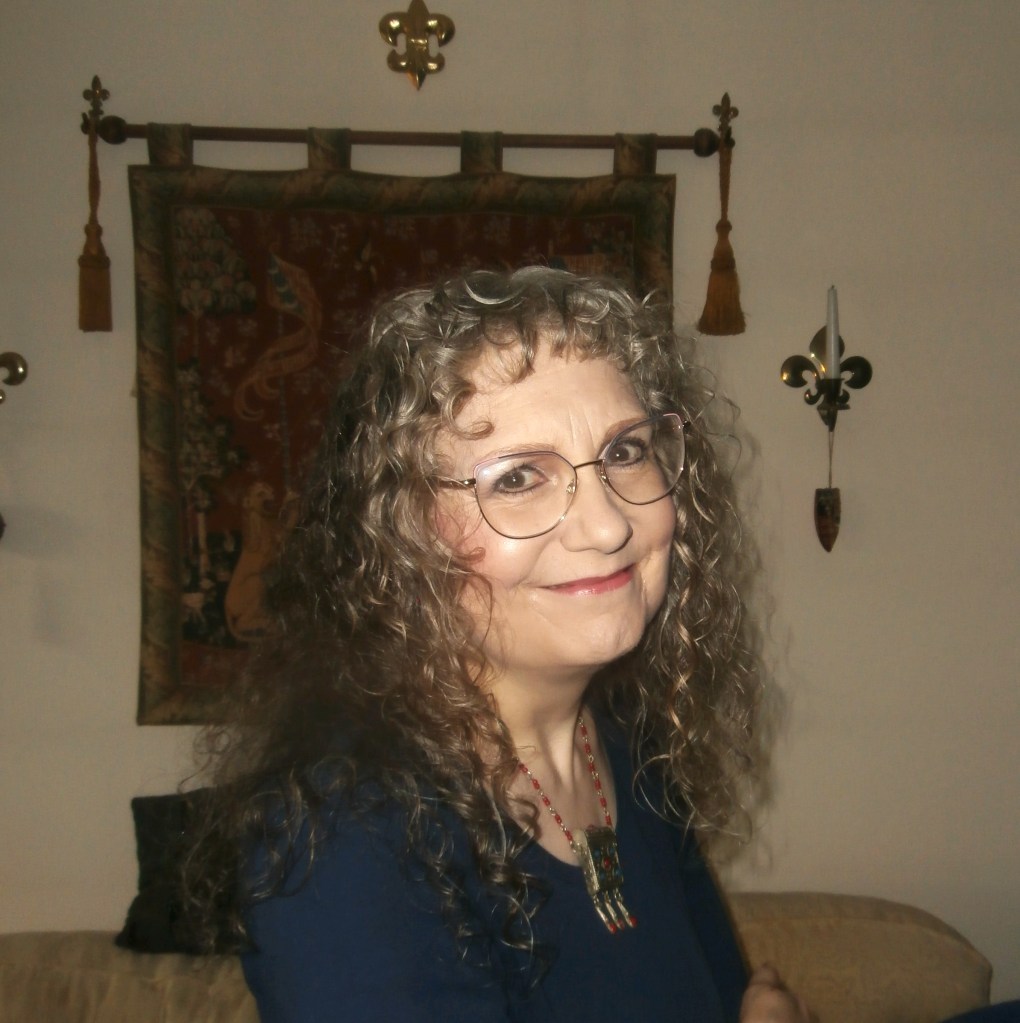
Wendy Johnson

Author Bio:

Wendy Johnson has a lifelong passion for medieval history, its people, and for bringing their

incredible stories to life. Her specific areas of interest are the fifteenth century, the Wars of the Roses, and Richard III in particular. She enjoys narratives which immerse the reader in the past and tries faithfully to recreate the later Middle Ages within her own writing. She has contributed to a number of historical anthologies and was a runner-up in the Woman and Home Short Story Competition 2008.

Praise for The Traitor’s Son:

“I loved this novel, it was beautifully written, extremely atmospheric, the characters’

personalities came through perfectly, can’t wait for the next instalment.” ~ Linda Hayward, 5* Amazon Review.

“Exquisitely written. An evocative and thoughtful retelling of the early life of Richard III.” ~ Philippa Langley, MBE.

“Sometimes the perfect use of the written word takes my breath away. Not very often, but this book is it. A wonderful story written so beautifully that I shall not forget it for a long time. Everything to my mind is perfect. The language, the story, the pacing. Just wonderful.”~ Kindle Customer, 5* Amazon Review.

“Wonderfully woven story of a young Richard III. Woven with a sure knowledge of the

history and a realistic telling of a story about a young boy finding his way through tragedy

and triumph, uncertainty and a legacy he cannot escape.Brilliant debut which promises more and

more.” ~ Cris, 5* Amazon Review

“I loved this novel, it was beautifully written, extremely atmospheric, the characters’

personalities came through perfectly, can’t wait for the next instalment.” ~ Linda Hayward, 5* Amazon Review.

“Really enjoyed this book. Holds the reader enthralled from the first paragraph to the last.

The next volume can’t be released soon enough.” ~  J.M. Henderson, 5* Amazon Review

Perfect for fans of Hilary Mantel, Annie Garth Waite and Sharon K. Penman.

Universal Buy Link: https://books2read.com/u/mdJqL5

This title is available to read on #KindleUnlimited: https://www.amazon.co.uk/stores/Wendy-Johnson/author/B0D14SQJP3?ref=sr_ntt_srch_lnk_3&qid=1763580327&sr=1-3&isDramIntegrated=true&shoppingPort