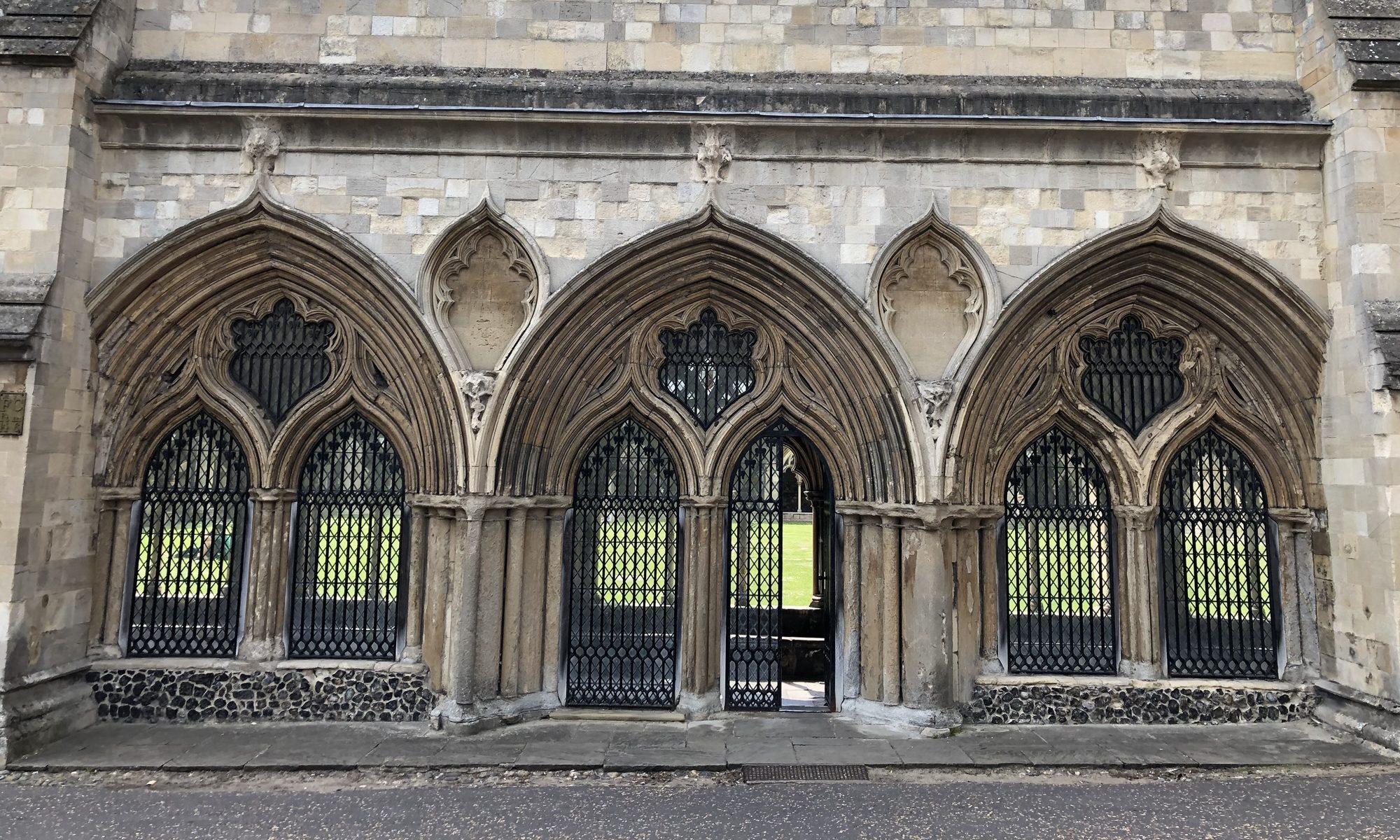
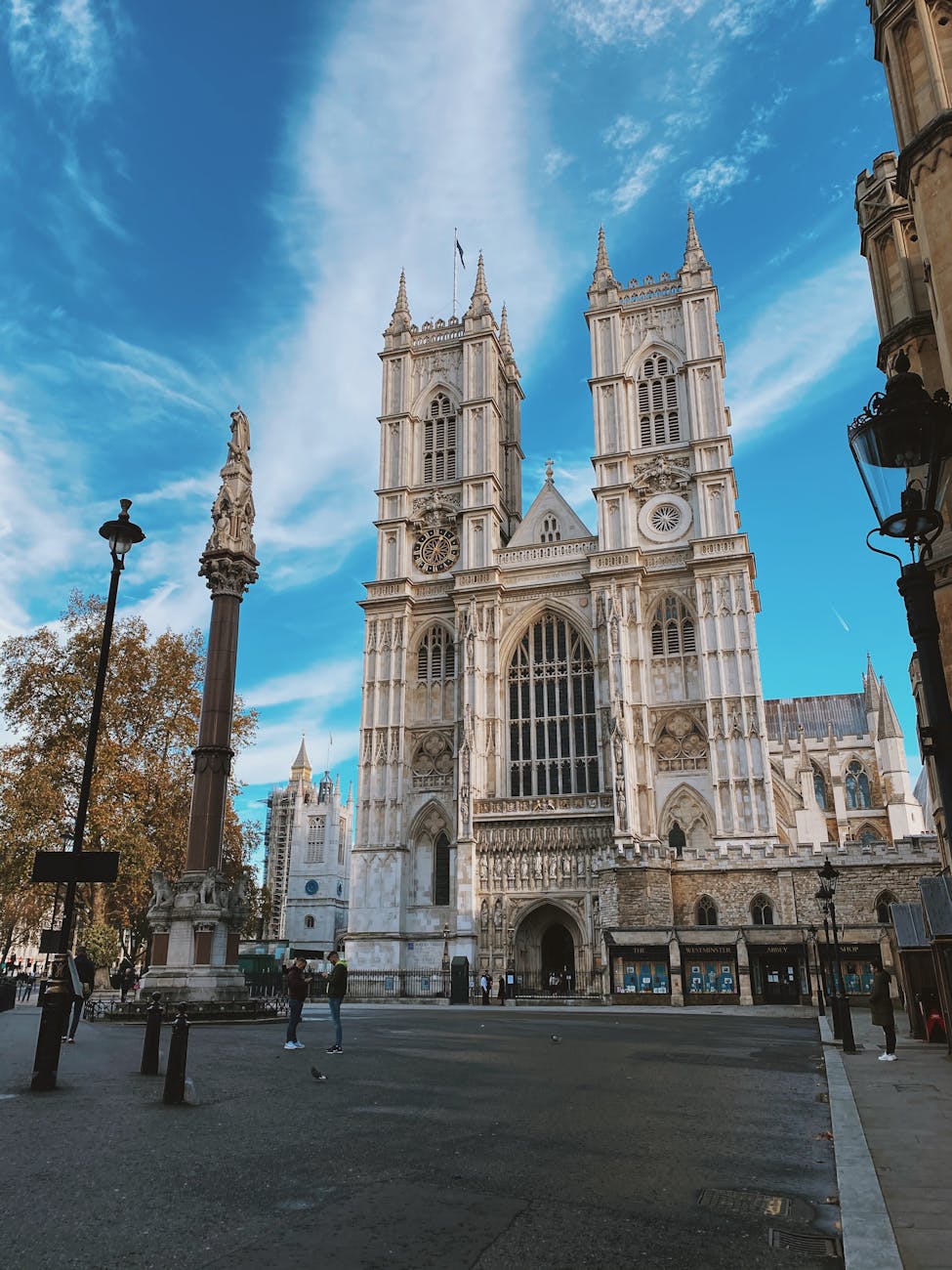
Most people walk into Westminster Abbey as if it has always been there. A medieval church, a coronation stage, a national shrine and the burial place of kings and queens. But the truth is stranger. Westminster Abbey should not exist at all. It was dissolved, renamed, stripped of its identity and turned into something entirely different. Yet we still call it Westminster Abbey, and we still treat it as if the Dissolution never touched it.
This is what I discovered in my research for my next novel about Catherine Howard, and it changes the way I see the building.
When Henry VIII dissolved the monasteries, Westminster Abbey was not spared. It was one of the richest monastic houses in England, and therefore one of the most politically useful to break. In 1540, it was dissolved and refounded as the Cathedral Church of St Peter in Westminster. The monks were not simply replaced with a dean and chapter. William Benson, the last Abbot of Westminster, became the first dean of the new Cathedral, and many monks stayed on as clergy under the new structure.
For a brief moment, Westminster was meant to be the centre of a new diocese. It was not an abbey. It was not even called one. It was a cathedral created by royal will, not by tradition.
So why do we still call it Westminster Abbey?
Because the experiment failed, the new diocese was short lived. The political usefulness of the cathedral faded. Under Mary I, the monastic community was restored, but only for a few years. Under Elizabeth I, the monastery was dissolved again, but this time the building was not turned back into a cathedral. Instead, it became a Royal Peculiar, a church under the monarch’s direct authority.
This is the strange part. It was no longer an abbey. It was no longer a monastery. It was no longer a cathedral. It was something else entirely.
Yet the name returned. Westminster Abbey. A name that belonged to a vanished community. A name that survived the destruction of the very institution it described.
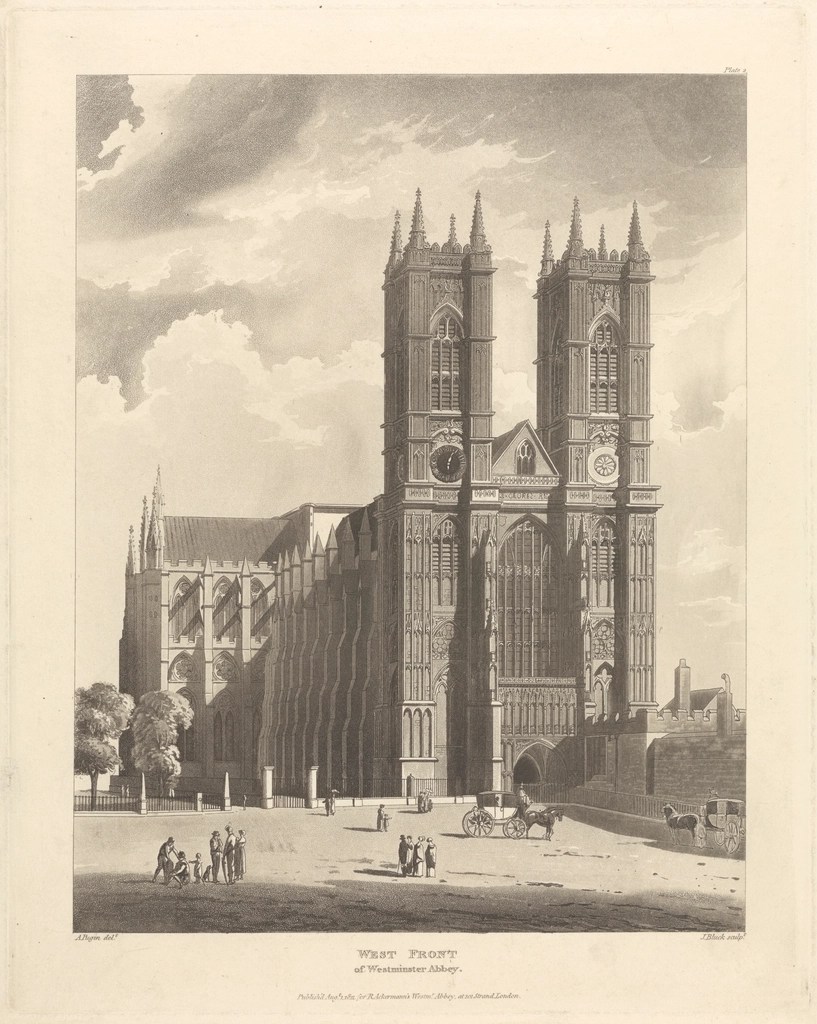
Why was it saved when so many others were not?
Partly because it was too visible to destroy. Partly because it was too politically useful to lose. Partly because it had already become a national symbol long before the Reformation.
Kings were buried there. Coronations took place there. The building had a narrative power that even Henry VIII hesitated to erase.
Most monasteries were dissolved and forgotten. Their stones were taken for barns and manor houses. Their names faded. Westminster did not fade. It adapted. It changed shape. It survived by becoming something new each time the crown needed it to be.
When you walk through Westminster Abbey today, you are not walking through a medieval monastery. You are walking through a building that has been dissolved, resurrected, repurposed and renamed. A building that should not exist in the form we know, yet somehow does.
It is a reminder that history is not a straight line. And Westminster Abbey is one of the clearest examples of how England rewrites itself while pretending nothing has changed.
oOo
 Nicola Harris