I write historical fiction about the six wives of Henry the Eighth. I have always been drawn to their stories, not just as queens but as real women who lived with hope, fear, love and impossible expectations. My Six Tudor Queens series grew from years of reading, research and a lifelong fascination with the period. I try to bring these women to the page with honesty and warmth, paying attention to the small moments that reveal who they truly were. Writing about them feels like giving them back their voices, and it is a privilege I never take lightly.
Most writers are overwhelmed by ‘free’ advice and tools online. There is far too much advertising that claims to offer ‘free’ services that are, at best, just trials in disguise.
I have found a few reliable, reputable resources that are safe, respected, and genuinely free. They are suitable for writers anywhere in the world and do not impose any regional conventions on spelling or punctuation.
Every writer has moments when the right word refuses to appear. You know the meaning, you can feel the shape of the word, but your brain will not deliver it. OneLook Reverse Dictionary solves that problem.
You type a concept, a description, or even a vague idea, and it produces a list of words that match what you are trying to express. It is fast, accurate, and used by editors, journalists, and academics. It is one of the few writing tools that is both simple and genuinely helpful.
Reedsy offers a library of short, focused courses on writing, editing, publishing, and marketing. They are written by professionals, and they are genuinely free. No trial, no credit card, and no hidden upgrade.
The courses cover topics such as character development, plotting, worldbuilding, revision, and the realities of publishing. Each lesson is concise and practical. For new writers who want structure without being overwhelmed, this is one of the best free resources available. Anyone with an email address can sign up and receive the full course material. They work the same whether you are in the UK, Europe, Australia, or anywhere else. Reedsy’s courses are designed for a global audience.
They are one of the few writing‑education resources that are genuinely international and genuinely free.
For writers who work with history, this is a treasure chest. The British Library has digitised a vast collection of manuscripts, letters, maps, and early printed books. All of it is free to view.
This resource allows writers to see primary sources directly rather than relying on secondhand summaries or low-quality images. Whether you write historical fiction, nonfiction, or simply want to understand how people wrote and thought in earlier centuries, this collection is invaluable.
The British Library’s Digitised Manuscripts site is full of amazing material, but it is not laid out like a modern browsing platform. It works best if you know how to approach it.
The search bar needs specific terms. It will not respond well to broad searches, so it helps to look up the name of a manuscript, a historical figure, or a date before you begin. Once you find an item, the catalogue page gives you a short description and a link to the images.
The real value is in the image viewer. You can zoom in very closely, move through the pages, and use thumbnails to jump around quickly. The quality is excellent and lets you see details you would never get from a printed reproduction.
It takes a little getting used to, but once you understand how the search and viewer work, the site becomes easy to handle and incredibly useful for anyone writing about the past.
Final Thoughts
You do not need a complicated toolkit to become a better writer. You need clarity, practice, structure, and access to trustworthy information. These resources provide exactly that. They are safe, reputable, and genuinely free.
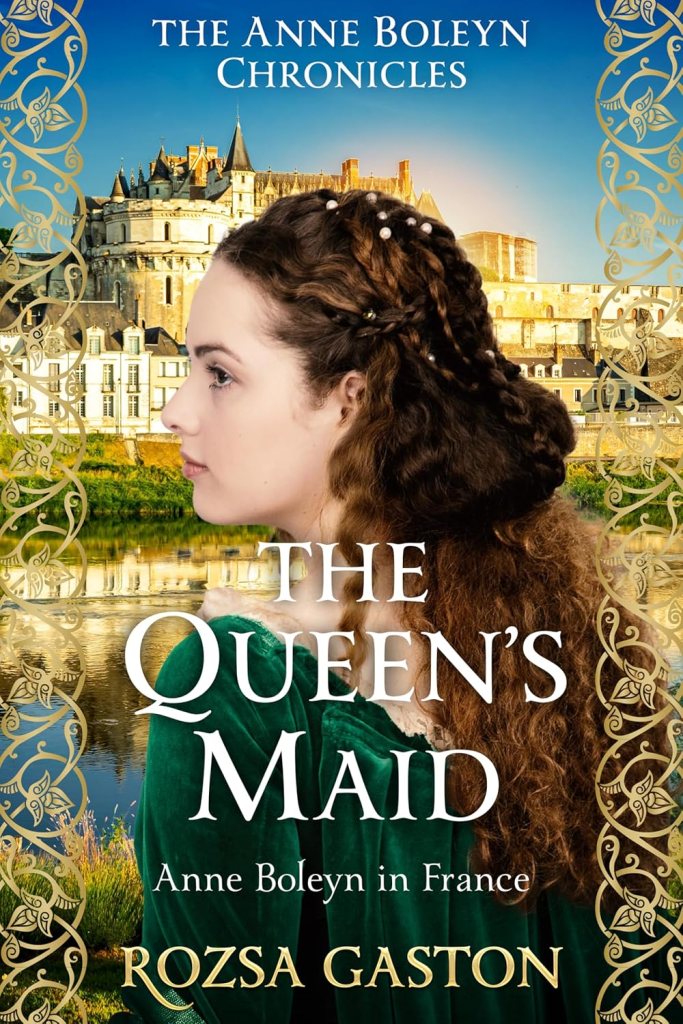
Anne’s sister Mary is also at the French court, and Anne soon learns that not everyone is pleased about the union between the French king and his young queen.
The king’s cousin-in-law, Louise of Savoy, is desperate for Queen Mary not to fall pregnant, so that her son Francis will ascend the throne.
And with Louise and the English queen pulling Anne in two different directions, it will not be possible to appease everyone.
Can Anne successfully navigate the familial politics at the French royal court? Will she make her mark as one of the queen’s maids?
Or could her divided loyalties prove to be her undoing…?
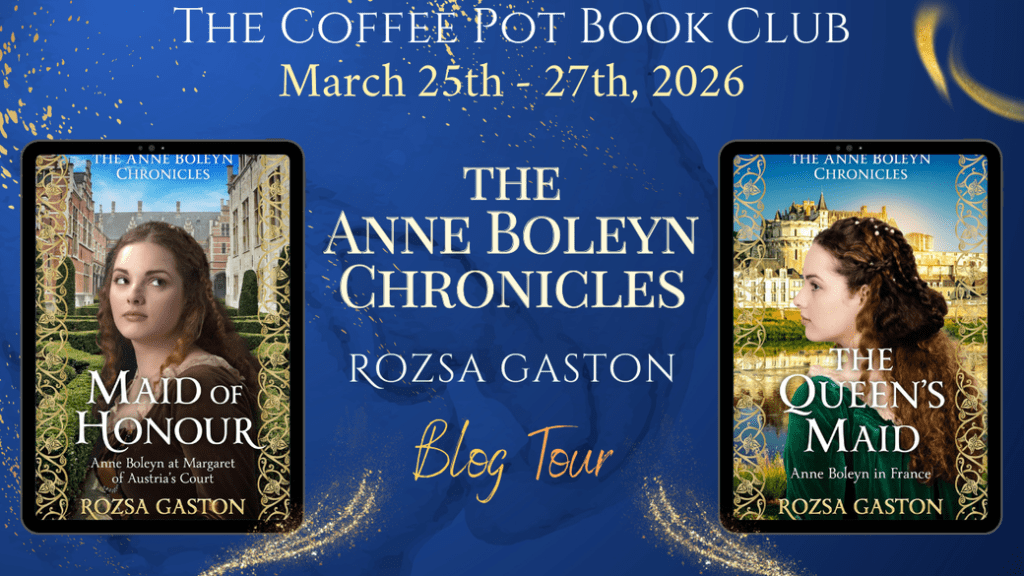
THE QUEEN’S MAID is a thoroughly researched, fascinating historical novel set during the 16th century in Europe. It is the second book in the Anne Boleyn Chronicles series.
‘Wonderfully detailed and entirely enjoyable. This is a young Anne in whom I absolutely believe, and who does much to explain the woman she’d become.’ – Sarah Gristwood, author of Game of Queens
THE ANNE BOLEYN CHRONICLES SERIES: Book One: Maid of Honour Book Two: The Queen’s Maid Book Three: Queen of Diamonds
Rozsa Gaston is a historical fiction author who writes books on women who reach for what they want out of life.
She is the author of Maid of Honour: Anne Boleyn at Margaret of Austria‘s Court, 𝗚𝗿𝗮𝗻𝗱 𝗣𝗿𝗶𝘇𝗲 𝗪𝗶𝗻𝗻𝗲𝗿 of the 𝟮𝟬𝟮𝟰 𝗖𝗛𝗔𝗨𝗖𝗘𝗥 𝗕𝗼𝗼𝗸 𝗔𝘄𝗮𝗿𝗱 for Early Historical Fiction, The Queen’s Maid: Anne Boleyn in France, Queen of Diamonds: The French Royal Court, Margaret of Austria, 𝗙𝗶𝗿𝘀𝘁 𝗣𝗹𝗮𝗰𝗲 𝗪𝗶𝗻𝗻𝗲𝗿 of the 𝟮𝟬𝟮𝟯 𝗖𝗛𝗔𝗨𝗖𝗘𝗥 𝗕𝗼𝗼𝗸 𝗔𝘄𝗮𝗿𝗱 for Early Historical Fiction, the four-book Anne of Brittany Series: Anne and Charles; Anne and Louis, 𝗚𝗲𝗻𝗲𝗿𝗮𝗹 𝗙𝗶𝗰𝘁𝗶𝗼𝗻 𝗪𝗶𝗻𝗻𝗲𝗿 of the 𝟮𝟬𝟭𝟴 𝗣𝗨𝗕𝗟𝗜𝗦𝗛𝗘𝗥𝗦 𝗪𝗘𝗘𝗞𝗟𝗬 𝗕𝗼𝗼𝗸𝗟𝗶𝗳𝗲 𝗣𝗿𝗶𝘇𝗲; Anne and Louis: Rulers and Lovers; and Anne and Louis Forever Bound, 𝗙𝗶𝗿𝘀𝘁 𝗣𝗹𝗮𝗰𝗲 𝗪𝗶𝗻𝗻𝗲𝗿 of the 𝟮𝟬𝟮𝟮 𝗖𝗛𝗔𝗨𝗖𝗘𝗥 𝗕𝗼𝗼𝗸 𝗔𝘄𝗮𝗿𝗱 for Early Historical Fiction.
Other works include Sense of Touch, Marguerite and Gaston, The Least Foolish Woman in France, Paris Adieu, and Budapest Romance.
Gaston studied European history at Yale and received her master’s degree in international affairs from Columbia. She worked at Institutional Investor, WR Capital, and as a columnist for The Westchester Guardian before becoming a novelist.
She is currently working on Book Four of The Anne Boleyn Chronicles, covering Anne Boleyn’s time at the 1520 Field of Cloth of Gold. She lives in Bronxville, New York with her family.
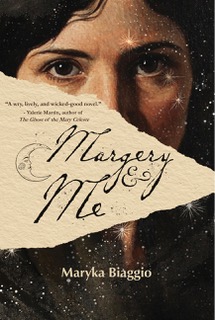
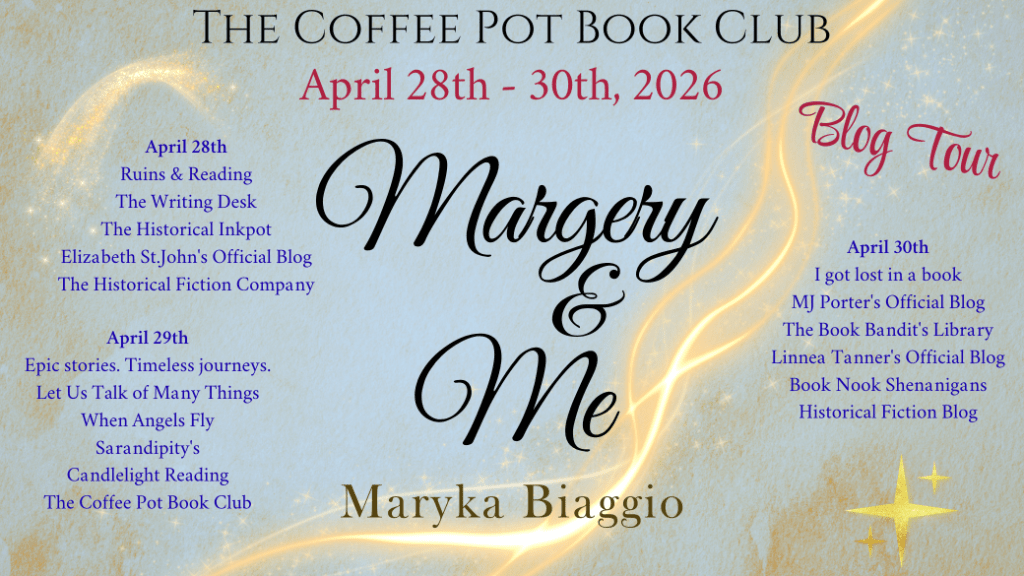
Margery and Me tells the mysterious true story of a medium who mystified scientists, challenged skeptics, and sparked a sensation across America and Europe. It is written by a psychology professor-turned-novelist Maryka Biaggio. And I can’t wait to read this one.
In the 1920s, Margery Crandon captivated both Boston society and psychic researchers with her astonishing seances. At her gatherings, her deceased brother Walter regularly appeared, entertaining the circle with his witty and cheeky remarks. Margery’s abilities earned her the admiration of luminaries, including Sir Arthur Conan Doyle and William Butler Yeats. But one man stood in opposition: Harry Houdini, the legendary magician, who was determined to expose her as a fraud.
Margery and Me tells the true story of the medium who mystified scientists, challenged skeptics, and sparked a sensation across America and Europe. As Houdini and Margery clashed in a battle of wits and wills, the question remained: Could the master illusionist unmask her, or would her extraordinary powers be enough to convert even the most resolute of doubters?
Maryka Biaggio
Author Bio:
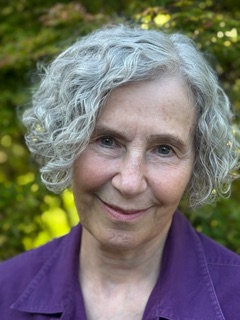
Maryka Biaggio is a psychology professor-turned-novelist who brings forgotten lives back into the light. Specializing in historical fiction inspired by real people, she crafts emotionally resonant narratives anchored in careful research.
Her debut novel, Parlor Games (Doubleday, 2013), launched a distinguished career that includes Gun Girl and the Tall Guy and Margery and Me. Her work has earned numerous accolades, including the Willamette Writers Award, Oregon Writers Colony Award, Historical Novel Society Review Editors’ Choice, La Belle Lettre Award, and a Publishers Weekly pick.
Biaggio is celebrated for illuminating overlooked historical figures with psychological depth and narrative grace.
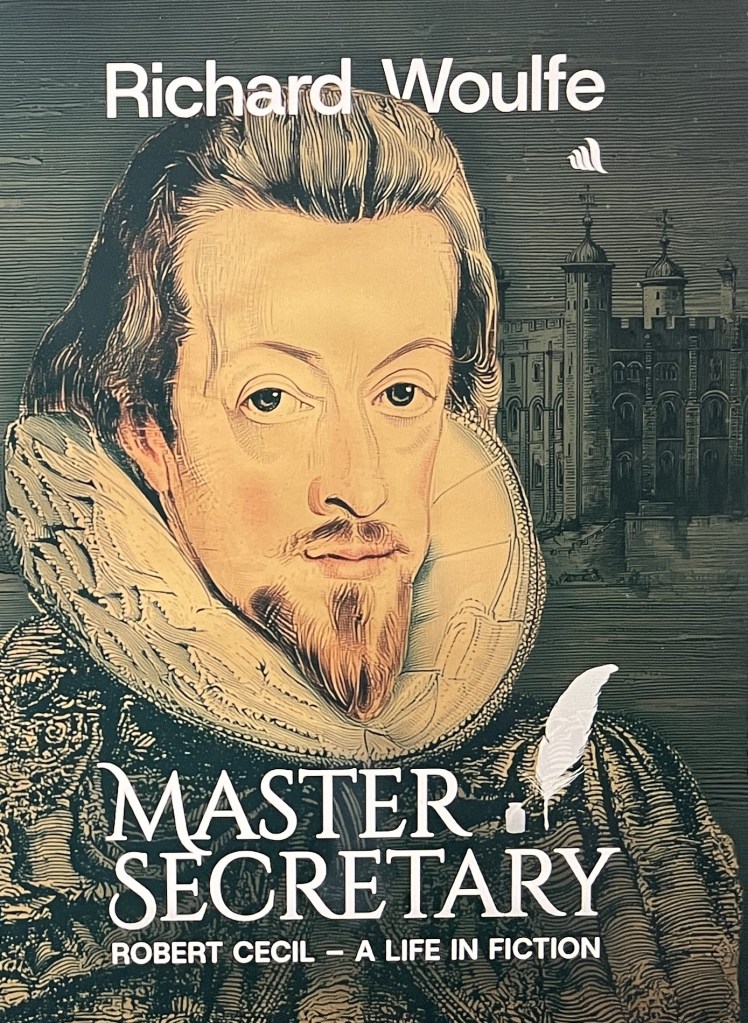
Richard Woulfe has just published Master Secretary: Robert Cecil, A Life in Fiction, a new collection of stories centred on one of England’s most intriguing historical figures. It’s an exciting release, and I’m delighted to share the news with you.
“Statesman, strategist, survivor: Robert Cecil stood at the very heart of England’s transition from Tudor to Stuart rule. Hunched-backed and underestimated in an age hostile to disability, he rose to become Master Secretary to Elizabeth I and James I, suppressing the Essex Rebellion, foiling the Gunpowder Plot, and negotiating peace with Spain.
In this richly imagined sequence of eighteen interlinked stories, Cecil’s voice is joined by those of his family, allies, and adversaries—Elizabeth I, Anthony and Francis Bacon, Walter Raleigh, Ben Jonson, Arbella Stuart, and nameless spies and commoners whose lives brushed against his. From court intrigue to tavern gossip, from the grandeur of the Somerset House Peace Conference to a humble Limerick shop, these tales weave fact and fiction into a vivid portrait of one of history’s most remarkable political survivors.
Spanning his birth to his final conversation with the sculptor designing his tomb, Master Secretary opens a window onto the world Shakespeare inhabited—a world of politics and diplomacy, comedy and tragedy, faith and betrayal. Grounded in historical record yet alive with imagination, this is a compelling re-telling of the life of Robert Cecil: underestimated by many, unforgotten by all.”
Tell us about your book:
This is a cradle to almost-grave collection of stories relating to Robert Cecil, Secretary of State from 1586 to 1612, a role his father William Cecil had previously occupied. It begins on the day he was born, when William Cecil is trying to get home for news of the birth but is delayed by Queen Elizabeth and others, and ends with Robert discussing the design of his tomb with its sculptor. It covers the Lopez execution, the Essex Rebellion, the transfer of power from the Tudors (Elizabeth 1st) to the Stuarts (James 1st) and the Gunpowder Plot. Also included are Francis Bacon (Cecil’s first cousin), Ben Jonson, Walter Raleigh, Arabella Stuart. Other female voices include Cecil’s wife, Anne Bacon, Elizabeth Ist on her deathbed, an intelligencer, as well as the wife of a Limerick shop owner who had only vaguely heard of Robert Cecil.
Tell us about your research for this book. Did you discover anything unexpected?
The Lopez conspiracy was always baffling to me, as it seemed so obvious the man was innocent. Why had the Earl Of Essex persued it so doggedly? Now I realise that a motive was to discredit the Cecils and their intelligence network.
Something unexpected also related to the Earl of Essex, specifically his rebellion. The play Richard II was performed by supporters of Essex as a way of bolstering support, but when the rebellion failed Shakespeare’s company had to explain to the Privy Council why they allowed the play to be staged in the first place. I had always assumed Shakespeare himself needed to be at his imaginative best with his excuses but then found out he wasn’t actually there. No, it was an actor/manager who convinced Cecil of their innocence in that matter. Shakespeare was present though when Elizabeth ordered that a production of the play be performed one day before Essex’s execution.
What made you choose Robert Cecil, 1st Earl of Salisbury, as a subject?
I come from a drama background and knew Cecil to be Master Secretary when Marlowe, Shakespeare and Ben Jonson were writing. But there is a lot more; for example, Cecil was chiefly responsible for Walter Raleigh’s incarceration in the Tower, but visited Raleigh there just before his own death. What did they say to each other? This is where historical fiction excels; nobody knows what was said but I imagine Cecil not apologising but accusing Raleigh of being responsible for his own misfortune. And what was Elizabeth I thinking on her deathbed – all those whom she was convivial with dead, the succession already being orchestrated by her Master Secretary?
Or Francis Bacon, two years his senior. Francis Bacon went to Cambridge at 12, and it is reasonable to assume they two met when Francis was home. Two highly ambitious children, what did they talk about? And who get the better of who? Francis Bacon also sought the Queen’s patronage, but did their rivalry start from a younger age?
I have an admiration for Cecil – though his father helped him to rise in government, he still had to overcome so many difficulties, not least that his back was hunched. He was Secretary of State for 16 years (Thomas Cromwell by contrast only lasted 6), managed the transfer to the Stuarts despite his own father being instrumental in the death of James I’s mother (Mary Queen of Scots).
I also feel that telling his life via linked stories allows room for his defenders and critics to make their case. Cecil divided opinion in his own time, and still does.
What advice would you give new writers? Persevere. Writing and rewriting takes a hell of a lot of time, but you’ll get there if you’re confident there’s a story worth telling. Oh, and that writing is also enjoyable (most of the time).
What are you planning to write next?
The life of King Richard II, specifically from his coronation at the age of 10 to his deposition and death 22 years later. Now, there is somebody with no shortage of detractors.
“Statesman, strategist, survivor: Robert Cecil stood at the very heart of England’s transition from Tudor to Stuart rule. Hunched-backed and underestimated in an age hostile to disability, he rose to become Master Secretary to Elizabeth I and James I, suppressing the Essex Rebellion, foiling the Gunpowder Plot, and negotiating peace with Spain.
In this richly imagined sequence of eighteen interlinked stories, Cecil’s voice is joined by those of his family, allies, and adversaries—Elizabeth I, Anthony and Francis Bacon, Walter Raleigh, Ben Jonson, Arbella Stuart, and nameless spies and commoners whose lives brushed against his. From court intrigue to tavern gossip, from the grandeur of the Somerset House Peace Conference to a humble Limerick shop, these tales weave fact and fiction into a vivid portrait of one of history’s most remarkable political survivors.
Spanning his birth to his final conversation with the sculptor designing his tomb, Master Secretary opens a window onto the world Shakespeare inhabited—a world of politics and diplomacy, comedy and tragedy, faith and betrayal. Grounded in historical record yet alive with imagination, this is a compelling re-telling of the life of Robert Cecil: underestimated by many, unforgotten by all.
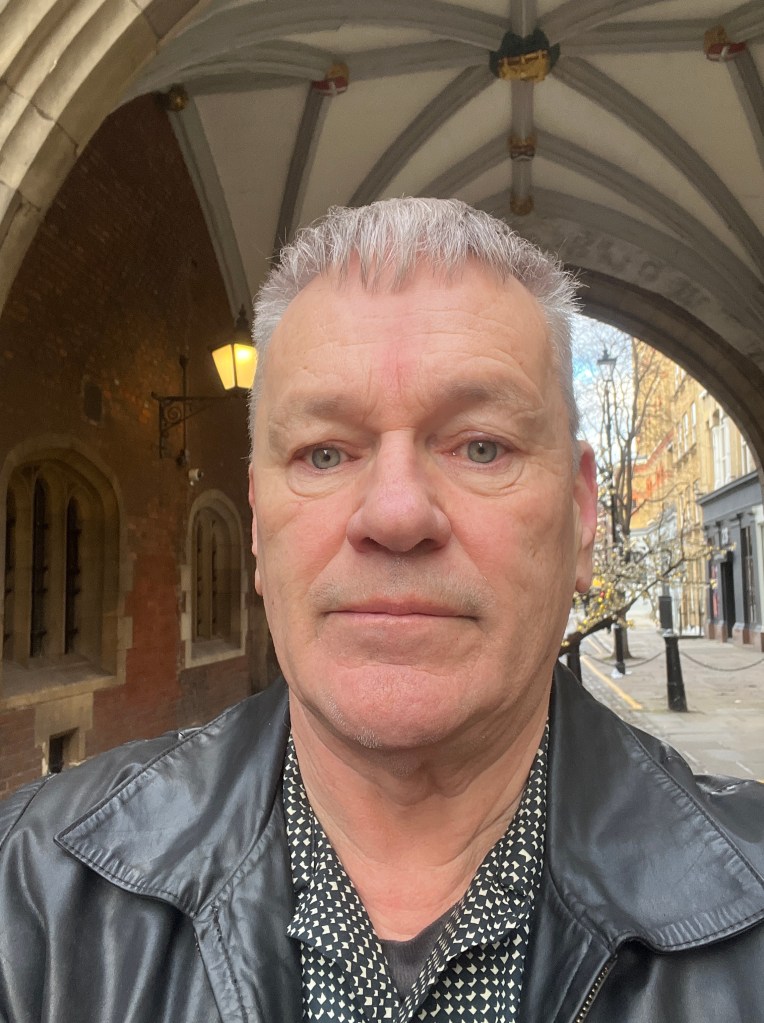
Author Richard Woulfe
Richard has had two radio plays produced: one by RTE Radio based on James Joyce’s/Nora Barnacle’s time in Trieste, the other a Victorian drama by the Wireless Theatre Company. Stage plays of his have also been performed, and short stories published. Richard is from Limerick, and now lives in London.
I find that I have to totally immerse myself in my research when I write historical fiction. I like to read history books about the characters, and I study primary sources such as the letters and papers of Henry VIII. I find that I often fall asleep listening to history books on Audible as I try to see and understand the shape of my story.
I think about who the people are who changed the protagonist’s life and how they might see those people. Is this a thriller? Is this a tragedy? These are the sort of choices I like to think about in the early stages. How much do I tell my reader, and how much could I hide in plain sight? For me, this part is all about uncovering the bones of the story. I used to be a total pantster but the more I write, the easier I have found structure. I have ADHD, and so I can become pretty obsessive and hyperfocused. I have to set timers to make sure that I am eating and drinking properly and to rest my eyes.
The next stage is writing down each year and the important events that took place. I make so many messy notes, charts, and I travel to sites that inspire me to write. I take lots of photos to remind me of the atmosphere.
As much as I love to research, I know when it’s done. For me, it’s when I understand what happened, know where the best place to begin, and when I know what the characters mean to each other. Then I write about each character and what their motivation might be. At the moment, I am deep into the research of Catherine Howard, and for so long, I just could not see her motivation, let alone Lady Rochford’s. Then one day, it just came to me.
The next stage is rest. I just have a break and think about other things. It’s really important to be lazy because my unconscious mind is working hard behind the scenes. I go to my craft club and walk my dog on my mobility scooter. I will have sudden epiphanies out of nowhere. Such as the time I realised a character could have all the signs and symptoms of a clinical narcissist, and my reader might not recognise them, but they would know having such a cold husband did not make a happy marriage. I find that everyday events and conversations give me ideas, and I write them all down. Then, when I feel fired up to work off, I go to my writing/craft room.
For me, writing is for pleasure. I have no intention of wanting to be on TV or appear in my local newspaper. I am an introvert, and I really dislike social media too. I am too much of a private person for all of that nonsense. Only a select few friends even know that I write. Historical fiction is not a very profitable genre, but it’s where my heart has always been. Although I did write two cosy mysteries back in the days of NaNoWriMo. (National writing month).
How to know when to stop researching and start writing.
Writers who work use history, psychology, or write in any field that demands intellectual rigour know that research is not optional. It’s the foundation of their work. But there is a point at which researching stops serving the work and begins to smother it. It’s so easy to end up with immaculate notes and no book.
Many writers don’t recognise that moment when the drafting must begin because research can feel virtuous. It feels like diligence. It feels like “doing the job properly.” And if they are anything like me, they love to read about a particular era, visit all the sights, and if I’m not careful, it could be the moment my real work quietly dies.
The question is not how much research is enough. The real question is: when does research stop being research and start being avoidance?
Research is the opening argument, not the final word:
Wayne C. Booth’s ‘The Craft of Research’ makes a point many writers conveniently ignore: research is meant to sharpen your questions, not deliver a perfect, airtight understanding before you begin.
Umberto Eco, in ‘How to Write a Thesis’, is even more direct by saying that writing must begin before you feel ready, because writing is part of the thinking process. I have to agree with him. It took years of absorbing Spanish culture before I even thought about writing Infidel, which is set in Spain. I certainly would not feel as comfortable writing a cowboy novel despite having lived in the United States because I know I have not absorbed the culture enough to understand all the nuances.
If your research has given you a working grasp of the landscape, the tensions, the contradictions and the unanswered questions, then you have enough to begin shaping a narrative.
Writers who wait for total mastery and perfection often never start.
Repetition of research means that you’ve reached saturation:
Historians and researchers use the term saturation to describe the moment when new sources stop adding new insight.
If you’re encountering the same facts, the same anecdotes, the same interpretations, you’re not deepening your understanding, you’re circling it.
At that point, it’s time to start drafting.
When research becomes avoidance:
It can become so easy to choose a task that feels productive to avoid the one that actually matters. For writers, research is the most socially acceptable form of avoidance. It looks serious. It looks intellectual. It looks like work. But if you feel a quiet relief when you decide to “research a bit more,” that’s not diligence. That’s fear wearing a scholarly coat.
The blank page is a writer’s real work.
Research is only useful if it leads you back to it.
If you can explain it, you can write it:
If you can explain something clearly, you understand it well enough to work with it. You don’t need encyclopaedic knowledge to begin drafting. You just need functional clarity. If you can talk through your premise, your historical moment, your character’s situation, or your thematic argument without checking your notes, you have crossed the threshold.
The gaps that remain will reveal themselves naturally in the writing.
And you will research those gaps with far more precision than you can from the outside.
Drafting is part of the research process:
I have found that writing clarifies what research actually matters to my work.
If you’re still trying to “finish” your research before you begin, you’re working against the grain of how serious nonfiction and historically grounded fiction are made.
The energy is telling you to move into drafting.
Writers who ignore that signal often end up with immaculate notes and no book. I know this from experience.
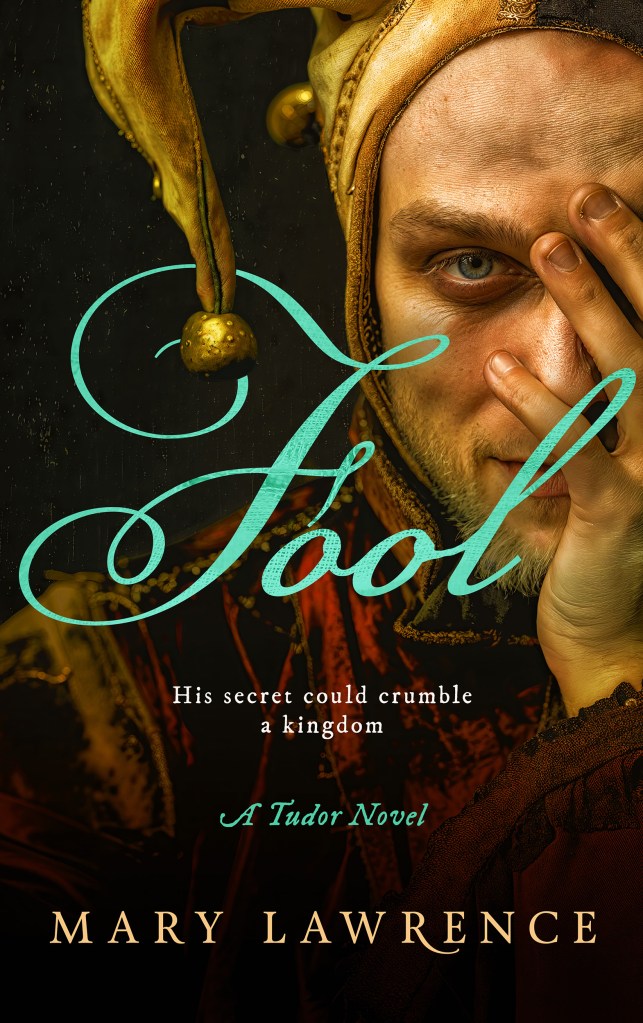
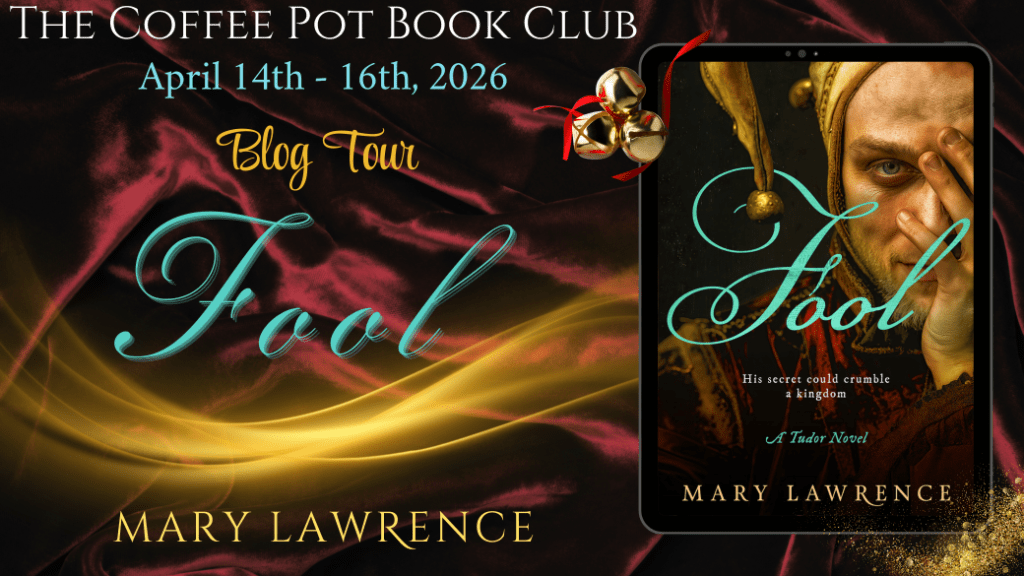
Fool is a delicious, dark, intimate and surprisingly tender portrait of life on the margins of Henry VIII’s court.
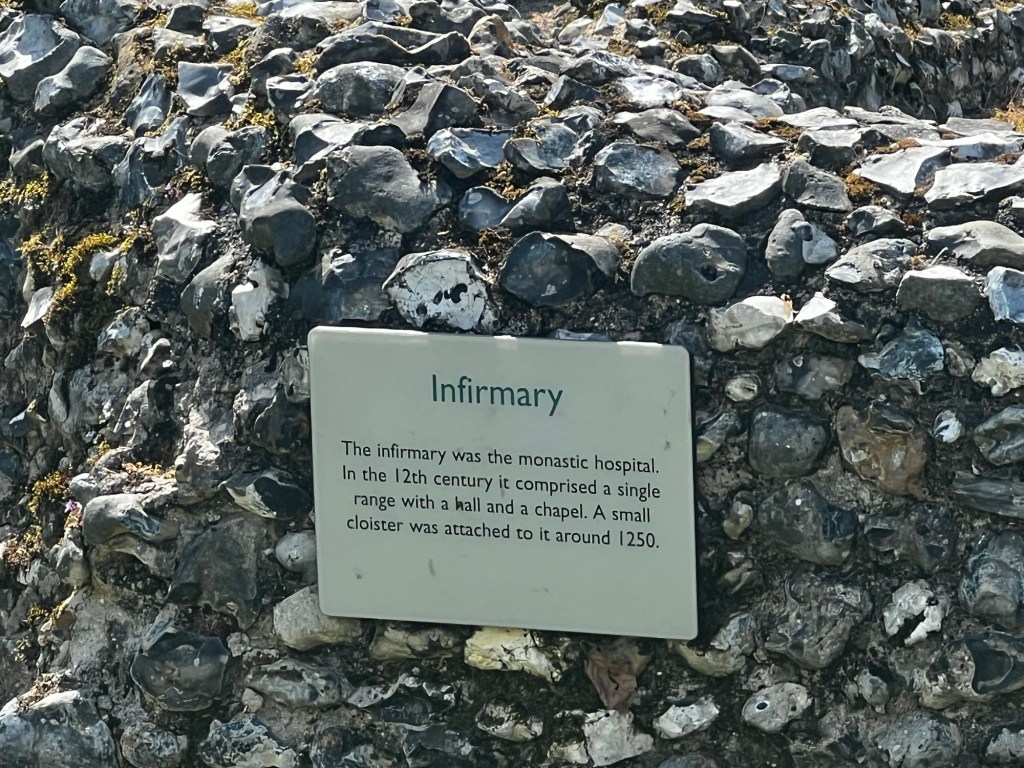
Told through a narrator who is both invisible and indispensable. Kronos is the type of character that historical fiction rarely gives centre stage to, and that’s what makes it so compelling. Kronos is found on a midden heap, literally thrown out with the excrement at birth because of his disabilities. He is taken in by the monks at Thetford Priory and taught the basics of healing the sick in the infirmary.
Mary Lawrence builds the story around a simple but clever idea that the person who everyone overlooks can see everything.
Kronos’s voice is the novel’s greatest strength. He is sharp, observant and deeply wounded in a superstitious age when a disability is seen as bad luck or as a sign of sin. His perspective makes the Tudor court feel more claustrophobic and dangerous than the usual descriptions of pretty gowns and shallow conversations often found in Tudor novels.
The plot moves between Krono’s brutal past and the political crisis he is dragged into when he learns a secret that could destroy Queen Katherine Howard. The author handles this with restraint, never leaning on shock value. Instead, tension is built through the character of Krono, his fear, his passion, and his anger. What stands out is how human the story feels. Kronos is not a caricature or a novelty despite being a person with dwarfism.
He is a man shaped by trauma, humour and a lifetime of being underestimated. His resilience is quiet but powerful, and the emotional beats especially around abandonment and identity land with real weight.
The Tudor setting is richly textured without ever becoming a history lesson. The royal court is used as a pressure cooker and not just a glittering backdrop. The result is a novel that feels historically grounded and emotionally immersive.
Fool is a thoughtful, character-driven Tudor novel that succeeds because it dares to centre the person everyone else ignores. It’s tense, humane and unexpectedly moving. It’s a fresh angle on the Tudor era, and it’s a story that lingers long after the last page.
It’s a five star novel!
My trip to Thetford Priory:
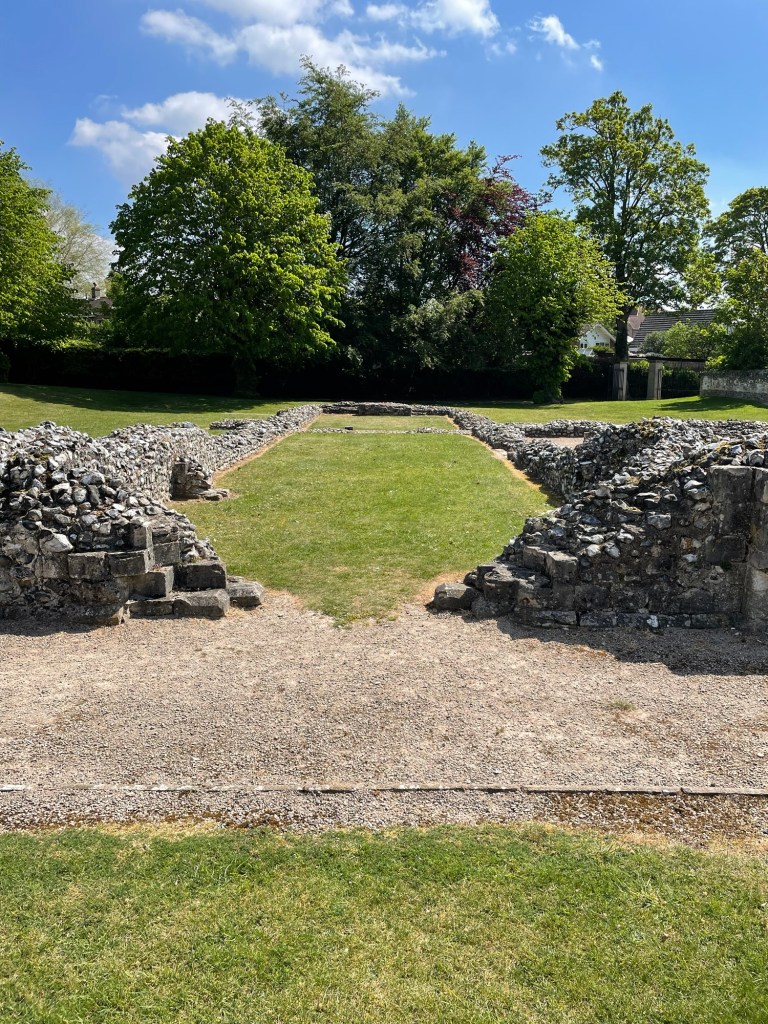
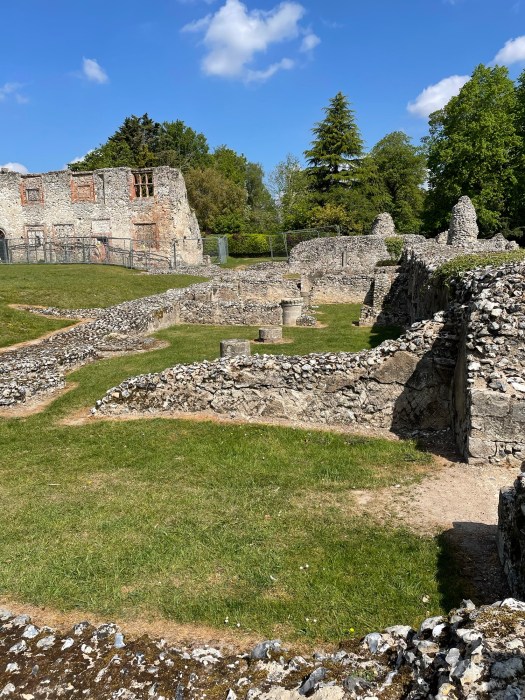
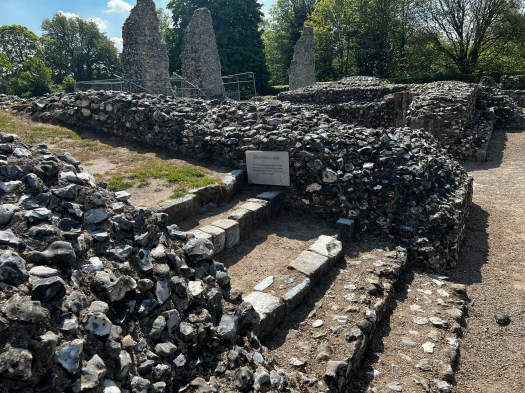
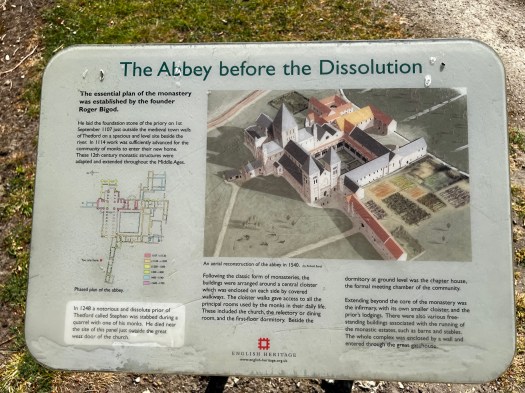
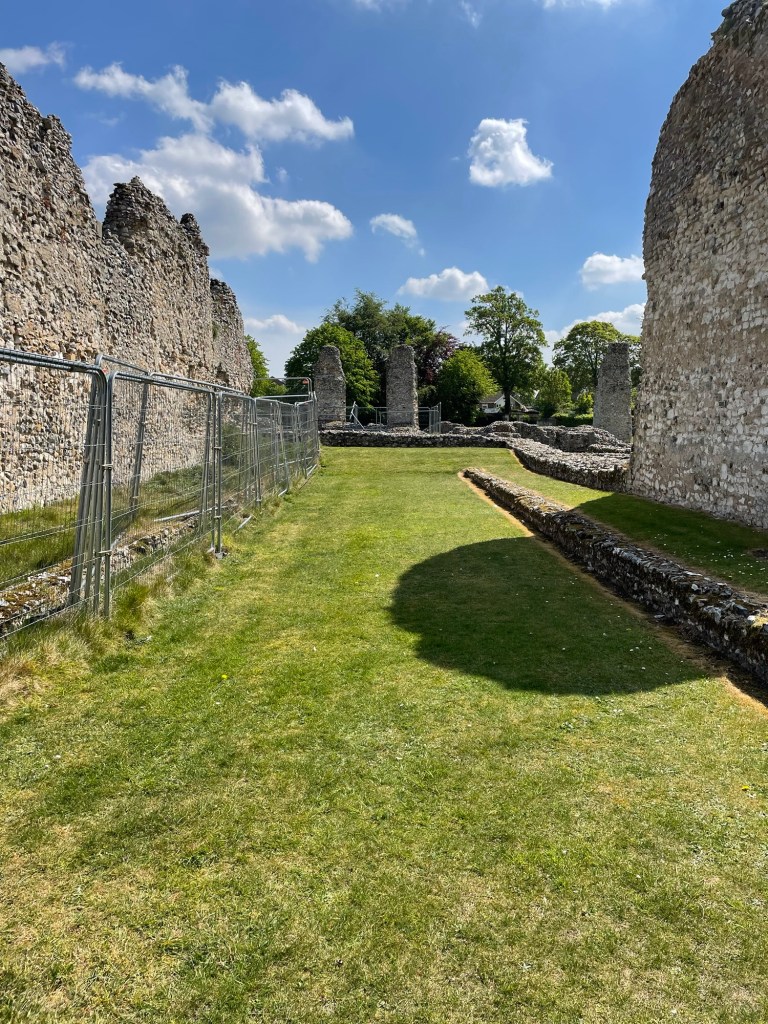
These are the images I took on my trip to the ruins of Thetford Priory after reading the novel. The first two are of the infirmary where Kronos worked. It was amazing to stand here and think about Kronos and Brother Ulric clattering around in here and curing the sick. The third is an image of the buttery where ale and beer would have been stored. It later became the kitchen where the fire burned, and cauldrons bubbled, tended by the fictional Brother Trelli, who made the pottage. In the background, you can see a small part of the enormous Abbot’s house.
The fourth picture shows the steps that once led to the monks’ dormitory, which was destroyed during the reformation. The fifth picture shows an artist’s impression of what the abbey looked like in its prime. The last photograph is of the monks’ refectory, where they ate. Entry is free, and the paths are gravel. I had no issues using my mobility scooter here.
A Story of Secrets, Survival, and the Power of Being Overlooked
If you love historical fiction filled with tension, courtly intrigue, and characters who refuse to stay in the place the world assigns them, this novel delivers. Fool introduces a hero who has been ignored his entire life, only to discover that invisibility can be the sharpest weapon in a dangerous court:
Betrayal. Power. Perception. The most dangerous mind at court belongs to a fool.
From the author ofThe Alchemist’s Daughtercomes a dark tale of ambition and survival.
What others have said about Fool:
“One of the most vibrant characters I’ve encountered in years.“–Goodreads Ecostell
Kronos is a fool–mocked for his dwarfism, prized for his juggling, and underestimated by everyone who matters. But in a court ruled by paranoia and whispers, invisibility is its own kind of power.
When Kronos overhears a secret that could destroy Queen Katherine Howard, he becomes a liability the crown cannot afford. Silenced, mutilated, and left for dead, he survives–barely.
Rescued by an ambitious apothecary, Kronos soon realizes he has not escaped danger–he has merely changed masters. His secret is worth a fortune…and powerful men are willing to kill to control it.
But Kronos has spent his life being overlooked and he’s ready to use that to his advantage.
As rival factions circle and scheme, Kronos sets a plan in motion–one that could topple the mighty, rewrite his fate, and force his foes to reconsider which of them is truly…the fool.
Perfect for fans of C.J. Sansom and Philippa Gregory.
Praise for Fool:
“Vividly written and grounded in scrupulous research, Fool captures both the dark comedy and lethal danger of Henry VIII’s court.”
~ Nancy Bilyeau, author of The Crown and The Blue
“A masterclass in immersive storytelling.”
~ Tony Riches, author of the best-selling Tudor Trilogy
“A thoughtful and unsparing Tudor novel that reframes the court jester not as comic ornament but as a precarious witness to power.”
~ Megan Parker for IndieReader
A Snippet :
The monks had warned me that the secular world outside the priory could be unkind. Not just to men like me, but to anyone possessing half a heart of compassion. There is a coldness that comes with age and experience. To survive means to outwit.
Never should one take advantage of another’s weakness. After all, exploitation is human nature, and it is our struggle with evil not to take advantage of those less clever, less handsome than ourselves. However, it is better to outwit oneself—to be able to suppress one’s susceptibility in taking offence and feeling wounded. How well one builds his suit of armour determines his ability to endure the barbs of insult and misfortune. I would get plenty of practise.
My visit to London helped me realise that the breadth of human experience was immeasurable and I had seen only a little piece. Where would I find my corner of existence? Viewing the king’s opulent palaces of Whitehall and St. James only made me more determined that I should find my way inside one of them.
Mary Lawrence
Author Bio:
Mary Lawrence is the author of the Bianca Goddard mysteries, a 5-book series that takes place in the slums of Tudor London featuring the daughter of an infamous alchemist. Suspense Magazine named The Alchemist’s Daughter and The Alchemist of Lost Souls best historical mysteries of 2015 and 2017.
Her writing has been published in several journals, including The Daily Beast. When she is not writing, she tends a small berry farm in Maine with her husband and creates artisanal jams for sale at market.









 Nicola Harris